

June 24 2026 APP 2.0.0-beta46 has been released !
Improved internal memory configuration (lower ! memory usage), fixed beta45 startup issue, fixed Set Save Directory & 2-panel mosaics.
May 27 2026 APP 2.0.0-beta45 has been released !
Fully Multi-Threaded LNC, many improvements for the registration engine, platform upgrade, and further tuning of internal memory consumption and memory release back to OS.
Apr 14 2026: Google Pay, Apple Pay & WeChat Pay added as payment options
Update on the 2.0.0 release & the full manual
We are getting close to the 2.0.0 stable release and the full manual. The manual will soon become available on the website and also in PDF format. Both versions will be identical and once released, will start to follow the APP release cycle and thus will stay up-to-date to the latest APP version.
Once 2.0.0 is released, the price for APP will increase. Owner's license holders will not need to pay an upgrade fee to use 2.0.0, neither do Renter's license holders.
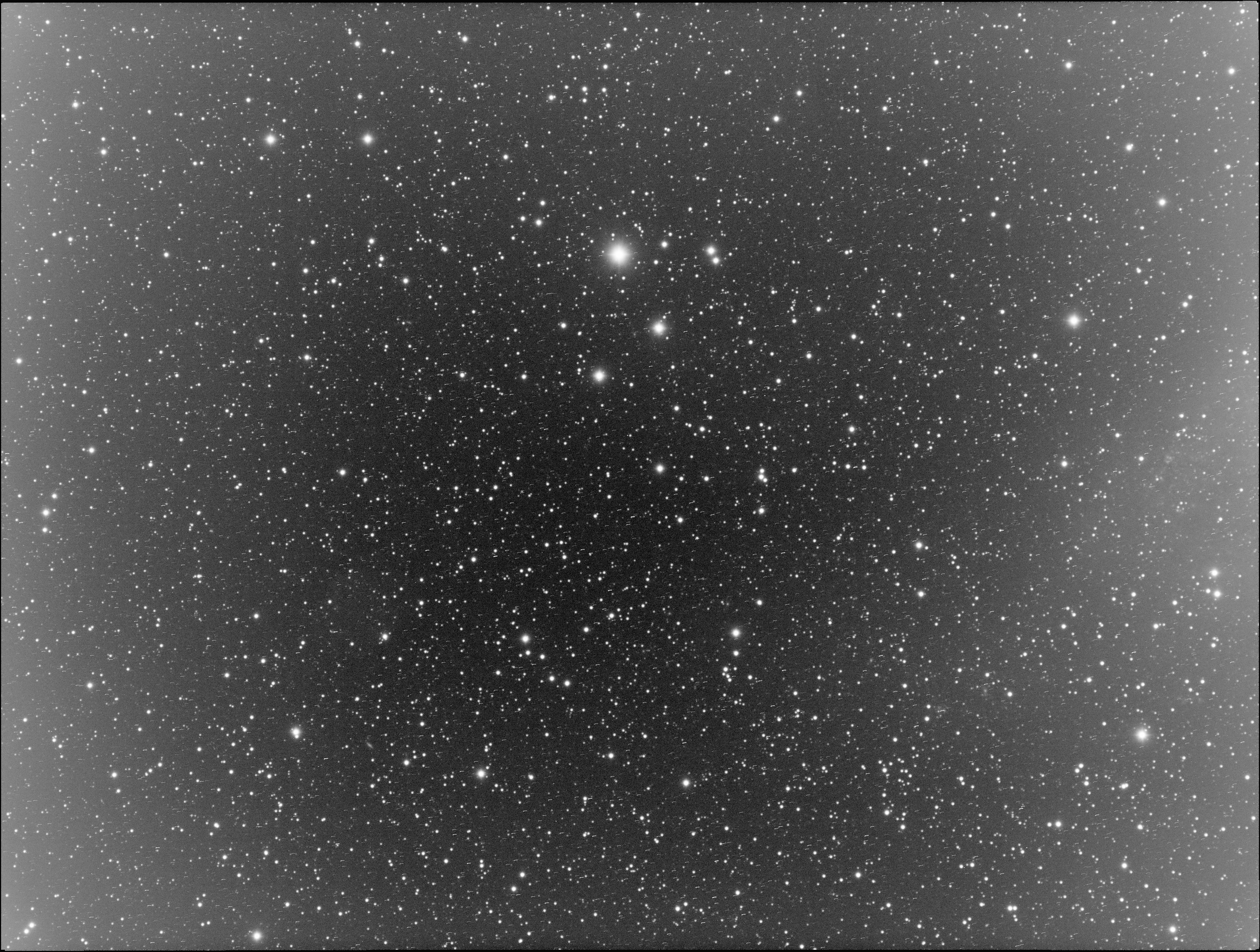
HI, I am getting this result when integrating my subs. Strangely, when i do the same thing in PI with the same cal frames it comes out perfectly. Any ideas as to what I m doing wrong?
Hi steviemac500,
I think the flat calibration is not working like it should. It seems they are over correcting.
The most likely cause is to be found in how you calibrated your lights and flat frames?
Did you make sure both lights and flats had the bias pedestal subtracted once and only once?
Maybe you can share, what you did exactly, then I will be able to find the step at which the problem occurs 😉
Kind regards,
Mabula
Hi Mabula
I have seen this effect sometimes when I use LNC. 1st degree LNC with 3 iterations seems pretty reliable. However, when I try 4th degree with 3 iterations I sometimes get a similar effect to that of StevieMac. I don't know why this should be so.
Hi Steve,
The LNC calculation is formulated in such a way, that the solution will be as flat as possible. I have never seen a result like this myself with LNC enabled, so if you have data that produces such a result, it will definitely be worth it if I can have a look myself I think. It might lead to further optimizations/improvements in the LNC algorithm...
@steviemac500: were you using LNC in this integration or not?
Mabula
HI, I'm pretty sure its a calibration issue. I used master flats etc that had previously been calibrated in PI. Would I have to re calibrate them in APP for them to work properly?
Hi steviemac500,
Yes, I think it looks like a problem with the flat calibration.
Using masterframes of other applications is full of dangers, so I wouldn't recommend it. In PI the master calibration frames can have different bitdepths than the data that is to be calibrated for instance.
But if the master flat is of the same bit depth, then normally the masterflat (after conversion in APP to create a APP masterflat) should work.
Where it probably goes wrong is in the application of a masterbias or masterflatdark to the flats of which the masterflat was created.
If you can tell me how the masterflat was created and if the bias pedestal was already subtracted, then I will be able to help you get accurate calibration.
Kind regards,
Mabula
Hi Steve,
The LNC calculation is formulated in such a way, that the solution will be as flat as possible. I have never seen a result like this myself with LNC enabled, so if you have data that produces such a result, it will definitely be worth it if I can have a look myself I think. It might lead to further optimizations/improvements in the LNC algorithm...
@steviemac500: were you using LNC in this integration or not?
Mabula
Hi Mabula
I found the offending files. This is Ha data of M27 - 15 x 1200s subs. The workflow was to load in all the master calibration files, load in the lights, set everything up and press 'Integrate'.
Example 1 is the stack produced by 1st degree LNC with 3 iterations. To my eye, this looks OK.

Then I ran it again with exactly the same settings except that I bumped the LNC up to 4th degree. I ended up with this odd glow in the bottom right hand corner.....

Hi Steve,
Okay, yes, I can clearly see it.
I haven't seen this myself in testing, but the cause most likely is due to some deviations between your frames in that corner particularly. But it's strange none the less, I feel.
LNC will give you a solution that is as flat is possible, but it's not it's main purpose... the main goal of applying LNC is to have all the data locally normalised, the flatness of the result is secondary to that. So any residual gradients can then be solved with the "remove light pollution" tool.
Kind regards,
Mabula
