
UPDATE FROM MABULA
I have had a very rough 2 months unfortunately health wise. I was struck 3x in a row with bacterial infections. The second infection occurred after a routine hospital checkup and I became very sick. I had to rest and take a lot of antibiotics. Once I was recovering and restarting work 1 month ago, I again became sick. The infection was not yet gone, so even more antibiotics and rest was needed. Needless to say, it took a lot of my energy and I needed a lot of rest.
Finally, the infection is really gone and my energy is coming back step-by-step now and I have started work again. I am terribly sorry to have kept you waiting for support. I will address all outstanding questions and e-mails step-by step and will be on the forum daily from today.
APP 2.0.0-beta47 will come soon as well, a lot of work was already completed before I became very ill, so the release is also nearly ready for you. Beta47 will be much faster actually. Many workflows will be more than 2x faster, mosaics can even be 10x faster than before because registration really received a major boost... all compared to beta46. Before I release it, I will make sure that everything is working properly and then I will release it.
Hi! I was wondering how APP calibrates the star colors during the RGB combination of narrowband data. I was used to combine the channels using photoshop and getting huge purple halos around my stars but, when I started using APP for narrowband RGB combination the first thing I was impressed by was the star colors, no halos at all!
Definitely an amazing tool 🙂
Hi @astro_alex,
Thank you for your question and welcome to the APP forum 😉
At the RGB Combination in APP using the RGB Combine tool, no star color calibration is done. There is a separate tool for this in 9) called Calibrate Star Colors, but this really only works well with broadband data. With narrowband data alone, star color calibration is rather complicated.
The colors in the combination of the RGB composite in your case will depend on the normalization of the data. APP, by default will normalize the narrowband channels, which ensures (in most cases) a very nice starting point for your RGB composite.
Regarding lack of Halos where you would expect one to show up is interesting, maybe you could upload an example of this?
Thanks,
Mabula
Thanks for your answer, Mabula.
I assumed there wasn't any star calibration doing the RGB combination process, because there's already a tool for that. I was going to upload an image but can't find how to do it, sorry
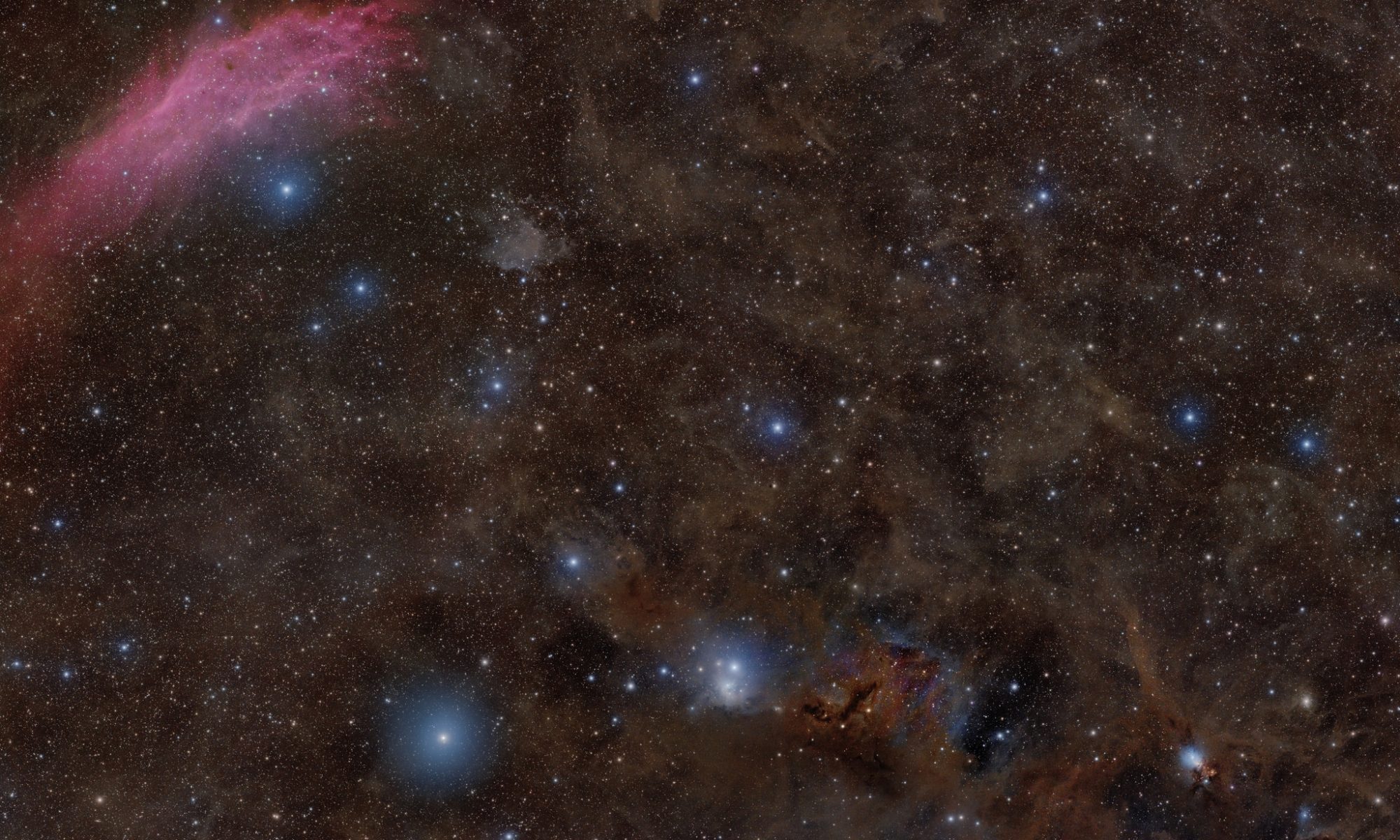
I didn't see the attach files icon, here are two images I processed with APP and PS. Stars were only reduced in size, nothing else.


Hi @astro_alex,
These are great images Alex :-), thank you very much for sharing !
Below and to the left of the textarea where you write your message, is the option to attach images, Attach Files
Kind regards,
Mabula
