
MAY 4 2026: APP 2.0.0-beta44 has been released !
New improved internal memory controls should now work on all computers
May 1 2026: APP 2.0.0-beta43 has been released !
Improved internal memory controls (much more stable and faster on big datasets), fixed CPU image viewer, fixed Narrowband extraction demosaic algortihms.
Apr 29 2026 APP 2.0.0-beta42 has been released !
New improved Normalization engine, Fixed random crashes in integration, fixed RGB Combine & Calibrate Star Colors, fixed Narrowband extraction algorithms, new development platform with performance gains, bug fixes in the tools, etc...
Apr 14 2026: Google Pay, Apple Pay & WeChat Pay added as payment options
Update on the 2.0.0 release & the full manual
We are getting close to the 2.0.0 stable release and the full manual. The manual will soon become available on the website and also in PDF format. Both versions will be identical and once released, will start to follow the APP release cycle and thus will stay up-to-date to the latest APP version.
Once 2.0.0 is released, the price for APP will increase. Owner's license holders will not need to pay an upgrade fee to use 2.0.0, neither do Renter's license holders.
Hello from Austria!
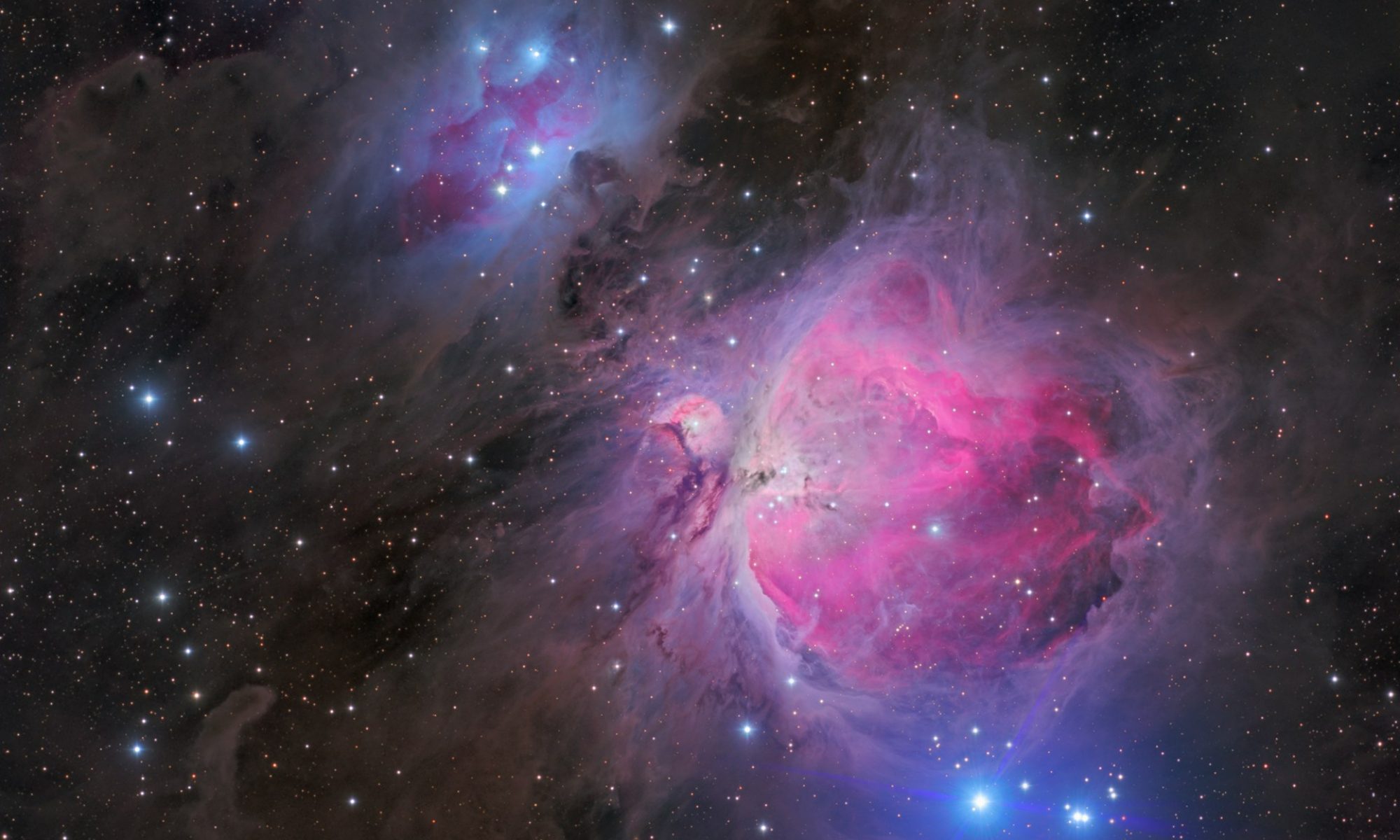
This is my first light with my brand new Sigma 105mm f1.4 A 🙂

The lights were stacked and calibrated in APP. The final processing was done in Starnet++,Topaz Denoise and Photoshop.
More details can be found here: https://www.astrobin.com/dz246j/?nc=user
Critical feedback is welcome 🙂
CS
Gernot
Beautiful! I would be a little careful with Topaz though, isn't that the AI sharpening tool? It's not trained on astonomy pictures so might introduce artefacts sometimes.
@vincent-mod
Thx 🙂
This is the first project where I tried Topaz Denoise. Although the program reduces the noise, it always sharpens the image.
Let's see if I will use it again in the future 🙂
Here is the starless picture:

CS
Gernot
Really nice, just wanted to mention it as it can introduce artefacts, it doesn't do that always. 🙂
Beautiful!
I assume the L-pro is a clip-in filter (from a jealous Canon 5D MKIV user - they don't fit my camera 🙄 )
Thx Stephen 🙂
I used a clip-in filter for Canon APSC cameras. I think the Canon 5D Mark IV has a special shutter where the filter would block the mechanism if triggered...!?
CS
Gernot
@vincent-mod Topaz has a sharpening tool and a denier, the denoiser works exceedingly well and is the best in class. I have been using it in Astro and general photography since the Ai version was launched. The sharpener is not as versatile.
I know ... I believe that despite the sharpness value is zero, a certain sharpening takes place!?
CS
