
June 24 2026 APP 2.0.0-beta46 has been released !
Improved internal memory configuration (lower ! memory usage), fixed beta45 startup issue, fixed Set Save Directory & 2-panel mosaics.
May 27 2026 APP 2.0.0-beta45 has been released !
Fully Multi-Threaded LNC, many improvements for the registration engine, platform upgrade, and further tuning of internal memory consumption and memory release back to OS.
Apr 14 2026: Google Pay, Apple Pay & WeChat Pay added as payment options
Update on the 2.0.0 release & the full manual
We are getting close to the 2.0.0 stable release and the full manual. The manual will soon become available on the website and also in PDF format. Both versions will be identical and once released, will start to follow the APP release cycle and thus will stay up-to-date to the latest APP version.
Once 2.0.0 is released, the price for APP will increase. Owner's license holders will not need to pay an upgrade fee to use 2.0.0, neither do Renter's license holders.
Hello folks!
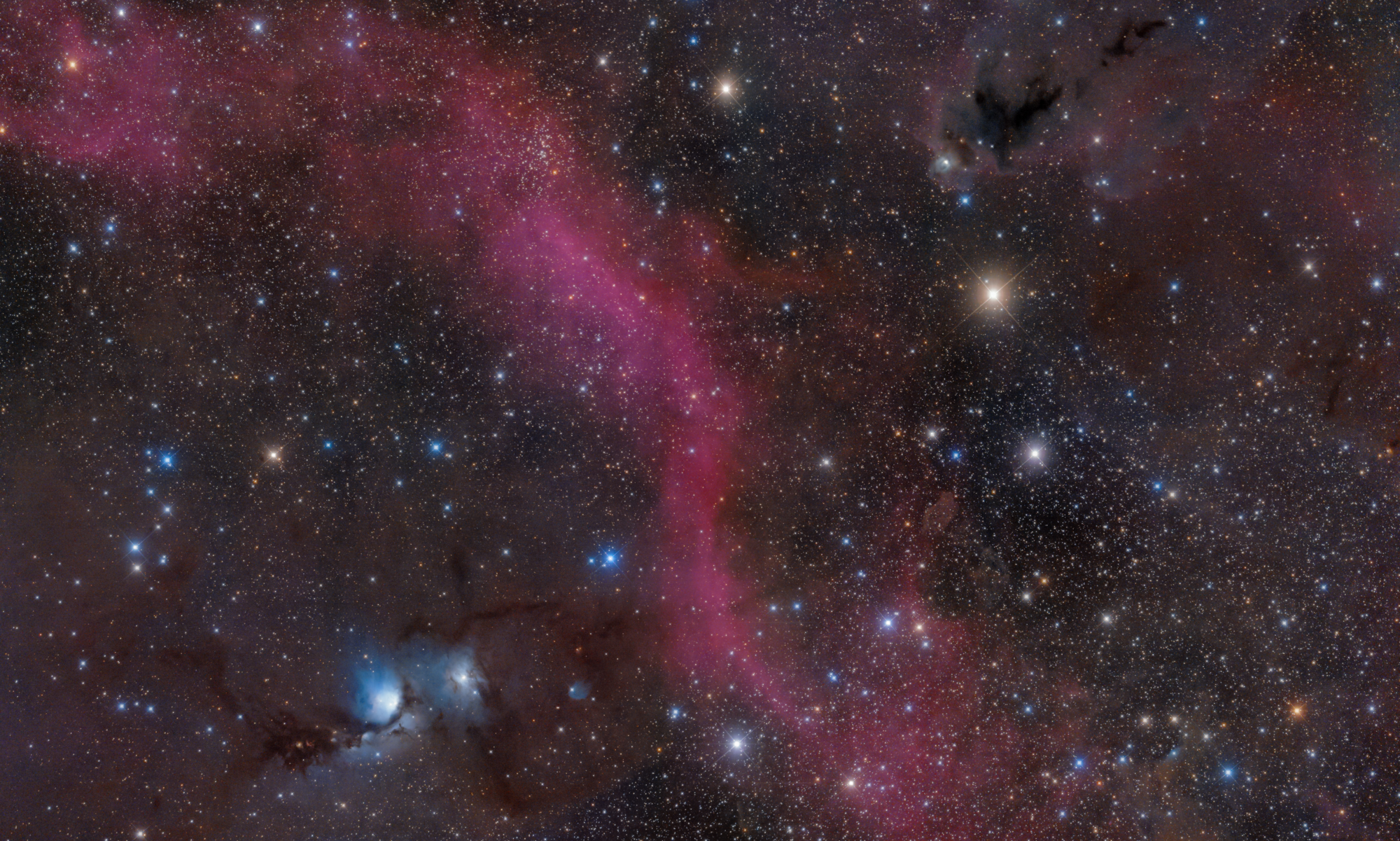
Today I tested the new version of APP and tried to edit a picture completely with it.
I am very impressed with the new features like the Star Reducer Tool!
Edited in APP only:

APP + Photoshop (HLVG + a breeze of Topaz DeNoise)

I am very satisfied with the results and I am sure that the green cast in the first picture can also be eliminated even better in APP.
I think the test was successful 🙂
Greets from Austria!
Gernot
Thx Mabula & Vincent 🙂 @mabula-admin @vincent-mod
This is a test to show what APP can do. In a forum it was discussed whether APP or PI is better for creating astro images. I then tried to show what is possible with APP alone.
CS Gernot
Nice image and process. I am also enjoying APP only processing. As an OSc imager, looking back at some data it becomes more natural and better balanced without additional Ps editing. I have found some neat tricks to deal with green cast in star color calibration and HSL selective color mods that might be useful. almost similar to HLVG.
The first is the magenta-green sliders for the color-color plots in star color calibration, which can help with initial green bias, and the second is the HSL selective tool where the green color is selected from 0 - 100% (all pixels), and then the green-magenta slider is moved fromm 40-70% magenta, while reducing saturation from -20 to -50% or so. These two sliders need to be carefully checked so no magenta artefacts appear around stars so there is some iterations. Carefully done, it works very well. Maybe @mabula-admin and the team know how to fine tune this a little better.
Nice image and process. I am also enjoying APP only processing. As an OSc imager, looking back at some data it becomes more natural and better balanced without additional Ps editing. I have found some neat tricks to deal with green cast in star color calibration and HSL selective color mods that might be useful. almost similar to HLVG.
The first is the magenta-green sliders for the color-color plots in star color calibration, which can help with initial green bias, and the second is the HSL selective tool where the green color is selected from 0 - 100% (all pixels), and then the green-magenta slider is moved fromm 40-70% magenta, while reducing saturation from -20 to -50% or so. These two sliders need to be carefully checked so no magenta artefacts appear around stars so there is some iterations. Carefully done, it works very well. Maybe @mabula-admin and the team know how to fine tune this a little better.
Hello Colm!
I also really like the "APP-only" results. As you say, the pictures look very natural.
Thank you for your input. Maybe one day there will be a "one click"- solution in APP similar to HLVG. That would be a development idea for @mabula-admin 🙂 .
Greets from Austria!
Gernot
