
June 24 2026 APP 2.0.0-beta46 has been released !
Improved internal memory configuration (lower ! memory usage), fixed beta45 startup issue, fixed Set Save Directory & 2-panel mosaics.
May 27 2026 APP 2.0.0-beta45 has been released !
Fully Multi-Threaded LNC, many improvements for the registration engine, platform upgrade, and further tuning of internal memory consumption and memory release back to OS.
Apr 14 2026: Google Pay, Apple Pay & WeChat Pay added as payment options
Update on the 2.0.0 release & the full manual
We are getting close to the 2.0.0 stable release and the full manual. The manual will soon become available on the website and also in PDF format. Both versions will be identical and once released, will start to follow the APP release cycle and thus will stay up-to-date to the latest APP version.
Once 2.0.0 is released, the price for APP will increase. Owner's license holders will not need to pay an upgrade fee to use 2.0.0, neither do Renter's license holders.
I don't know of other people use Pentax's astrotracker function (haven't seen anyone), but it's quite fun.
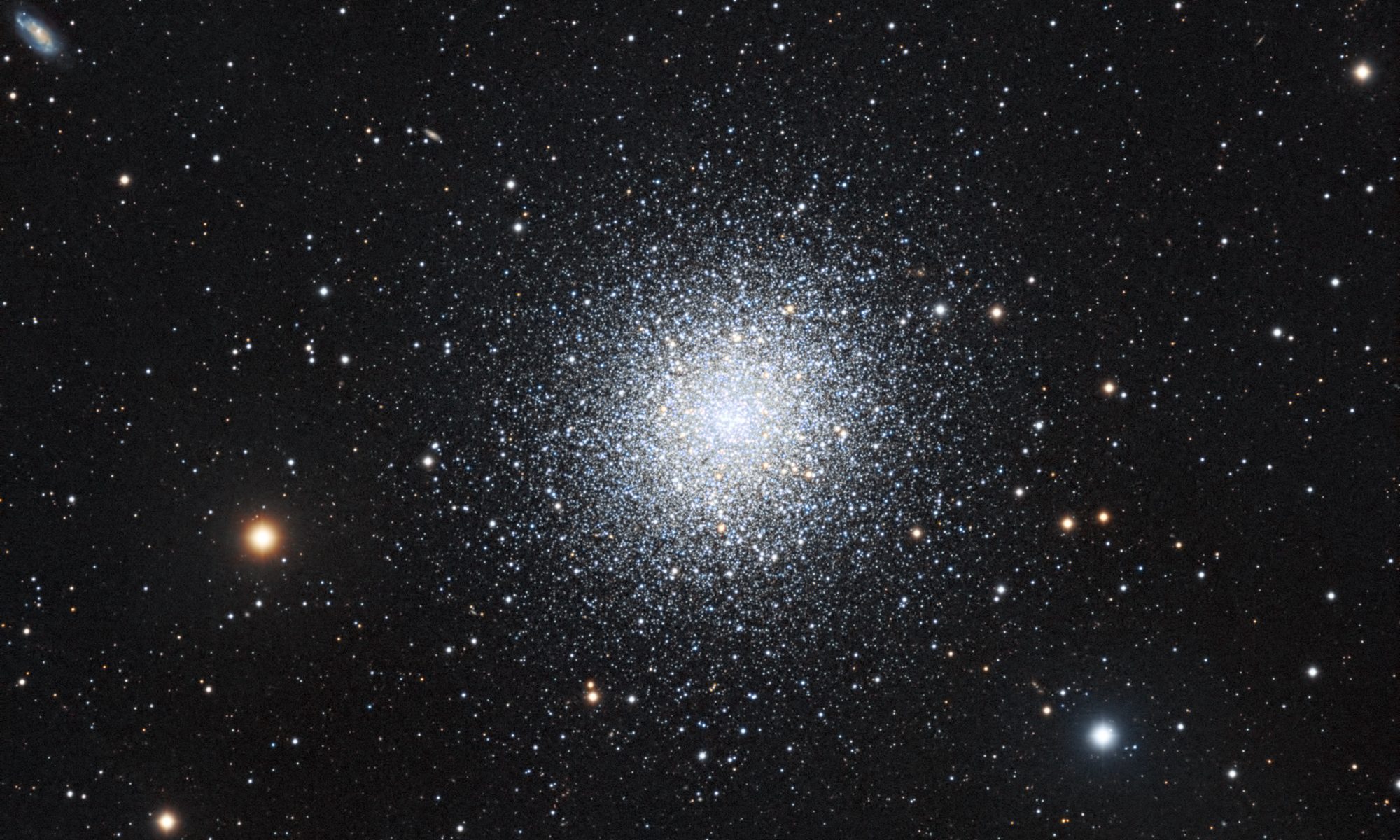
I made this image of M82 with a static mounted Pentax dslr on a tripod (nothing else). The camera calculates sensor translation and rotation based on build in gps and compass. I use an 'old' manual achromat lens (SMC-A 200/4) fitted with a baader contrast booster.
Seeing was 'so so'. Ursa Minor's dimmest star Eta Umi was just barely visible. Milky way was invisible (bortle scale6/7).
APP processed this stack of 47 lights, ISO 3200, f5.6, with 25 bias', 25 flats, 25 darks. Postprocessing done in affinity photo.


Very interesting, didn't know about that indeed. What is the exposure limit etc, I guess still about 15 seconds per image?
For this example lights were taken with an exposure time of 20 seconds per image. Depending on quality of calibration (gps/compass), focal length and location of the subject, theoretical exposure times can go up to one and a half minute (200mm lens, limited by translation and rotation of the sensor). Practically, I never managed above 50" without ending up with unwanted trails. I am generally happy when I manage 20 or 30" exposure times. Other focal lengths will result in other exposure times.
That's certainly impressive for a non tracked setup, thanks, nice to know.
Nice. I read about some of these pentax cameras with j built sensor tracking capability I think. Was this one of these models? Nice shot at that focal length
@cwm2col
Thanks. The above image was taken using a Pentax K1, which has the sensor build in. In the past I have also tried the separate O-GPS1 which I think gives similar results when it comes to the tracking itself.
