
2026-10-09 APP 2.0.0-beta48 has been released !
This is mainly a bug fix release for the reported bugs in beta47. In addition it has a significant User Interface performance improvement noticable when you need to process 1000s of images in APP.
2026-10-03 APP 2.0.0-beta47 has been released !
This is a very big release... many code optimizations/rewrites, many parts of APP are much faster and more precise, especially star analysis and registration are much faster ! Big mosaics will go much faster 🙂
And we introduce a new preview filter, which includes the new Adaptive Deep Sky Stretch and a General Levels Stretch, this has been long over due. The old preview filter (the panel on the right side to stretch and preview your data) has not been updated for a couple of years and it is a critical part of any APP session.
Adaptive Deep Sky Stretch or ADSS is a much more intuitive stretch algorithm. It is also color preserving (which is a great new addition in itself ! ) which means that the highlights are no longer bleached, color is maintained from the linear data while stretching. You can simply stretch your data using the sky background level and signal width sliders which work much easier and more intuitive. You no longer need to fiddle with the old complicated sliders with zoom buttons. All the zoom buttons for the sliders are made redundant. And you can enter slider values in the slider value fields yourself. I will make a youtube video in the coming days to explain and fully introduce ADSS. Once the video is ready, it will be highlighted on the forum.
RGB Combine upgrade !. The RGB Combine Tool has been rewritten mostly. The tool is faster and easier to use and most importantly, the Luminance slider to inject a luminance channel or channels into the RGB composite is now working correctly. It no longer bleaches the RGB colors. Combined with the new ADSS preview, you will get much better and easier great composites with great color! I will also explain this in a new youtube video.
Hello,
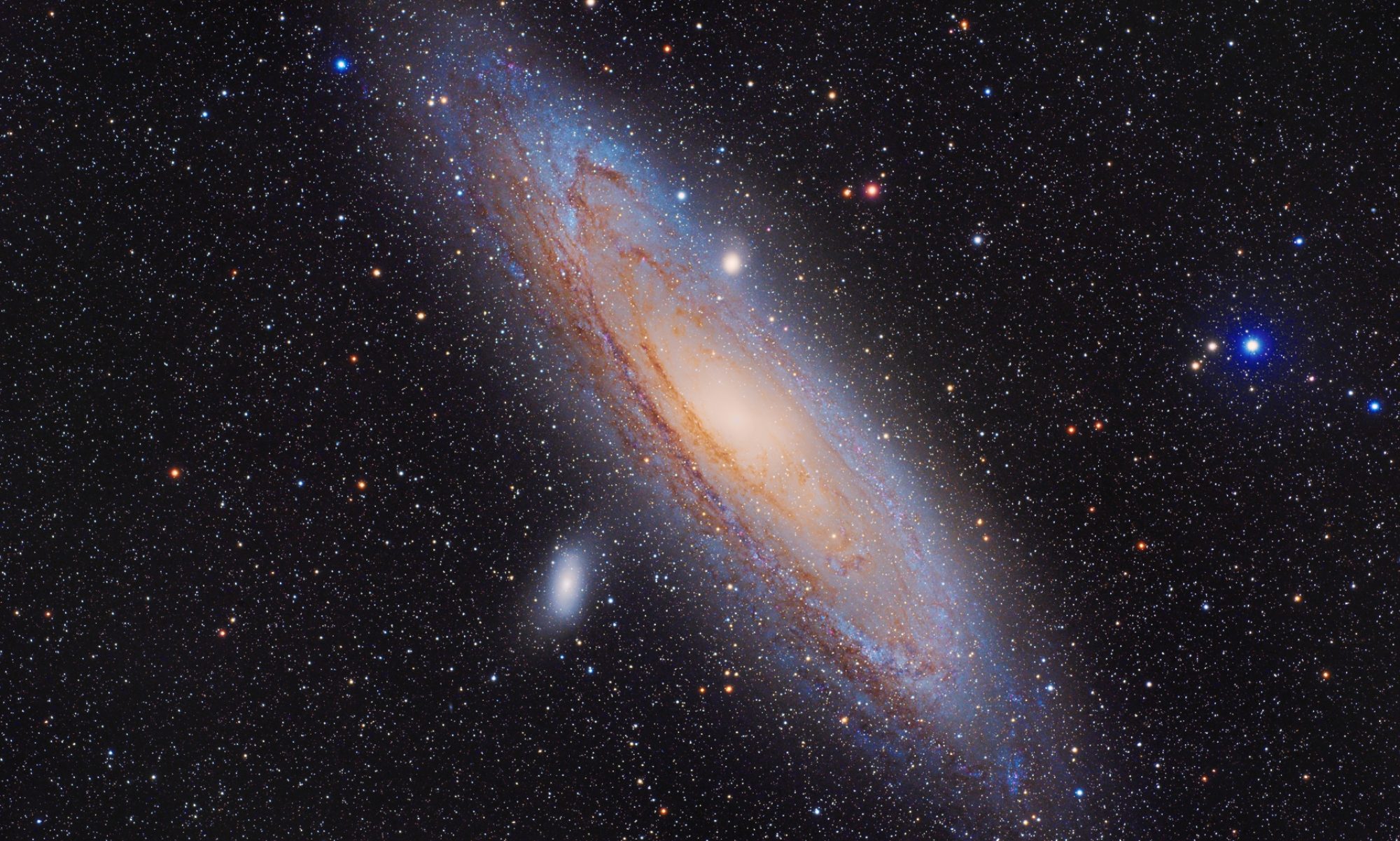
somehow I am having trouble with color calibration in APP. All of my galaxies turn out green or yellow, it gets better after adjusting the sliders but that creates a lot of green noise even in the brighter areas. Any attempts to remove green from the images also introduces either too much red or blue.
I never had any problems with processing nebulae, the colors always were great without adjusting the sliders at all.
RASA 11", ZWO ASI 2600MC-Pro, no filters, Bortle 4
Thank you,
Simon


@hotrod217 well to me the top picture’s graphs look good, slope is ok etc, but move the blue-red slider towards towards the blue a bit. AND the histogram looks balanced too.
I think you are using too high a saturation in the viewer panel, I would keep around 20, and set the sat threshold slider down to maybe 15.
the stars look correct colour as well, so the app is doing its job of calibrating star and background colour, the object then turns out, well how it turns out when the stars are correct lol.
if you are still unhappy, i would load the file back into rgbcombine after this step, and adjust rgb sliders to your liking. It will undo the stars, but allow you to make the object to your liking, or use HSL module to remove green saturation and alter colours etc, there is a video on this site to do that.
there are many different versions of this object on the web, with many colour variations, the variation you are trying to portray may not be the ‘real’ colour balance, but it can be at least copied by making a starless image, adjusting the object colour to suit your need, then pasting back in the correct calibrated colour stars. Alot of people do this, me included.
Hi Simon @hotrod217,
If i look at the first screenshot, I would definitely move the Blue-Red slider a bit to Blue, it is all too red for sure. Then with regard to green cast, try to lower the slopes of both graphs to 0,8-0,9 and 1,60-1,80. And it will be better to change magenta-green sliders for both graphs with the same amount, like -0,05 to -0,10. Realize that if you remove green, you inject magenta (which is red and blue) so you need to find the middle ground between green and magenta 😉
I agree with @andybooth, that the saturation is probably also a bit high if you would publish it like this, but I also think that if you work in a tool like this or the Remove light pollution tool, you want to increase saturation a lot, to help improve things in general. Realize that you are looking at previews and by oversaturating the preview, you can better see what you are doing 😉
Mabula
