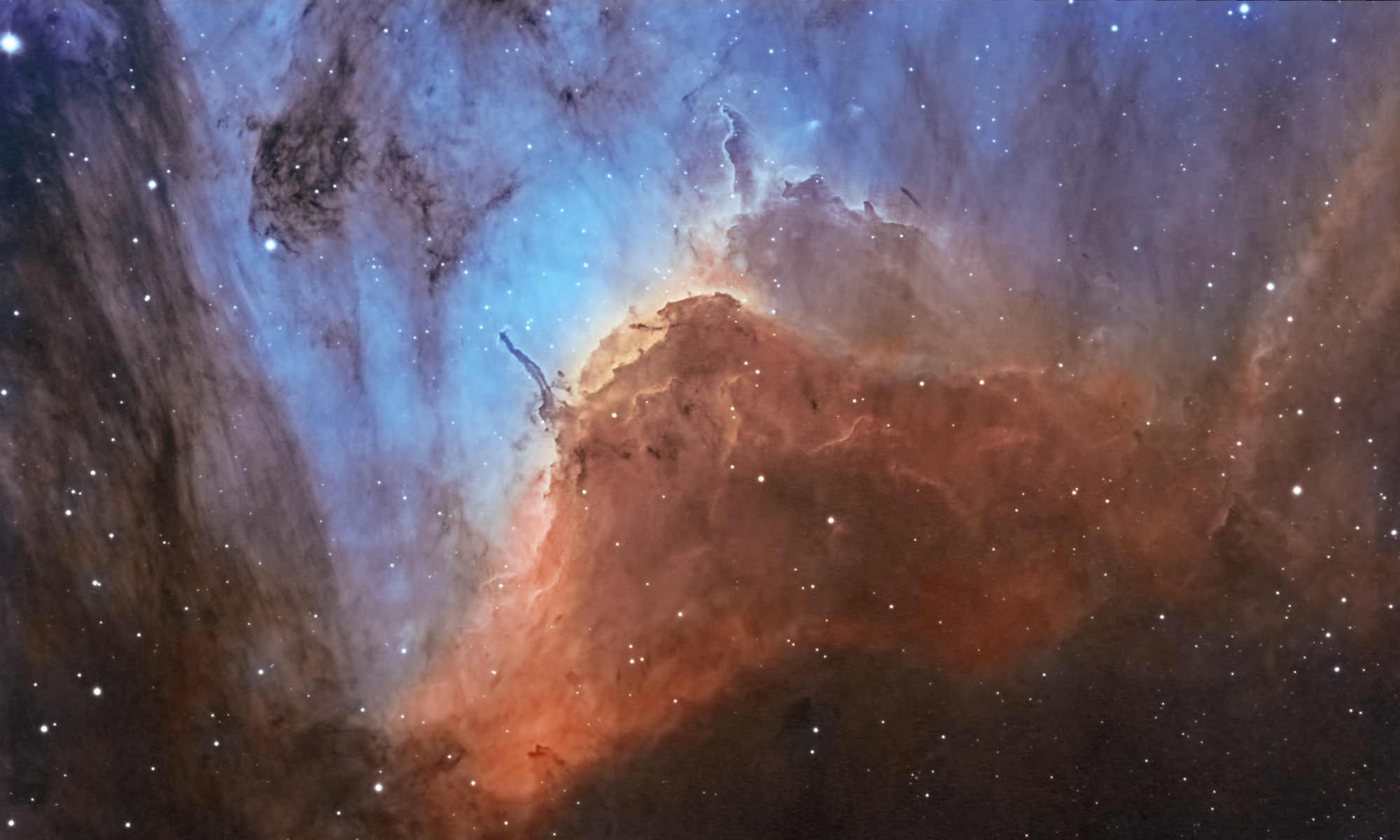

UPDATE FROM MABULA
I have had a very rough 2 months unfortunately health wise. I was struck 3x in a row with bacterial infections. The second infection occurred after a routine hospital checkup and I became very sick. I had to rest and take a lot of antibiotics. Once I was recovering and restarting work 1 month ago, I again became sick. The infection was not yet gone, so even more antibiotics and rest was needed. Needless to say, it took a lot of my energy and I needed a lot of rest.
Finally, the infection is really gone and my energy is coming back step-by-step now and I have started work again. I am terribly sorry to have kept you waiting for support. I will address all outstanding questions and e-mails step-by step and will be on the forum daily from today.
APP 2.0.0-beta47 will come soon as well, a lot of work was already completed before I became very ill, so the release is also nearly ready for you. Beta47 will be much faster actually. Many workflows will be more than 2x faster, mosaics can even be 10x faster than before because registration really received a major boost... all compared to beta46. Before I release it, I will make sure that everything is working properly and then I will release it.
While attempting to process a 2-panel mosaic from iTelescope, in order to assemble the HaLRGB integrations APP says it requires many times more memory than my computer's capability. I've made the entire RAM available to APP. Eventually APP just quits. Today APP froze while registering some 166 FITS lights. I'm wondering if my machine is just overwhelmed with the amount of data I'm asking APP to process. It's an HP EliteBook laptop running Win 10 64 bit; 2.9 GHz 2-core, 4-thread CPU; 8GB RAM.
Comments? Thanks.
Joe
Hi Joe,
Well, for things like mosaics I would always advice to integrate the panels first. The amount of data is quite large in those cases though and 8GB might then become an issue, I wouldn't give APP all the memory and all your cores either, that might freeze the computer.
You may get it processed by chopping up the data a bit. Integrating like 30 lights each time and then combining the results of those. In general, the more memory and cores you have, the better. A SSD drive will help a lot with speed as well. If possible, I'd advise a desktop to do the processing on as those tend to be cheaper for the amount of power they can provide.
Are you using the latest APP version?
@vincent-mod Vincent:
Well, I've tried breaking up the workflow to process the mosaic by color channel. So far the results have been very good, with no problems. I think I'm on the right path now. Thanks for your advice!
Joe
Excellent! If you run into issues, happy to help.
Vincent: After making integrations for each of my five channels, I find that each has different dimensions and APP can't combine them into an (HaLRGB) image. Apparently I'll have to reprocess each mosaic pane individually instead, but I'm wondering how each color channel can have a different dimension. The only post-integration changes I made to each channel before saving was to adjust the stretch, highlights and contrast.
Yes, I'm using the latest APP version, 1.080.
Thanks.
Joe

Hi Joseph,
If I understand your situation correctly, you have likely used the Composition mode 'full' at step 6) Integration. Each channel's mosaic panel will have been compiled from its particular set of subs but each individual sub will cover a somewhat different sky area depending on such factors as target alignment, dither changes and polar alignment.
One way to avoid this is to make sure the mosaic panel for each channel is:
a) Star aligned to the same reference frame
b) Cropped to the same dimensions
If for example you decide on a luminance channel sub as te reference frame you can keep this loaded as the reference frame during integration of the other channel subs but have it deselected during integration of the RGB subs so it does not get incorporated as a frame when these channels are intgrated.
However with where you are now I think that all you need to do is reload your separate channel integrations into APP and run through the normal APP workflow starting at star analysis Al the panels will then get aligned to the same reference panel and can be cropped to the same image dimensions using a) the composition mode at step 6, or b) by using the Batch Modify option on the Tools tab after you have done RGB combine.
Hope this helps
Mike
