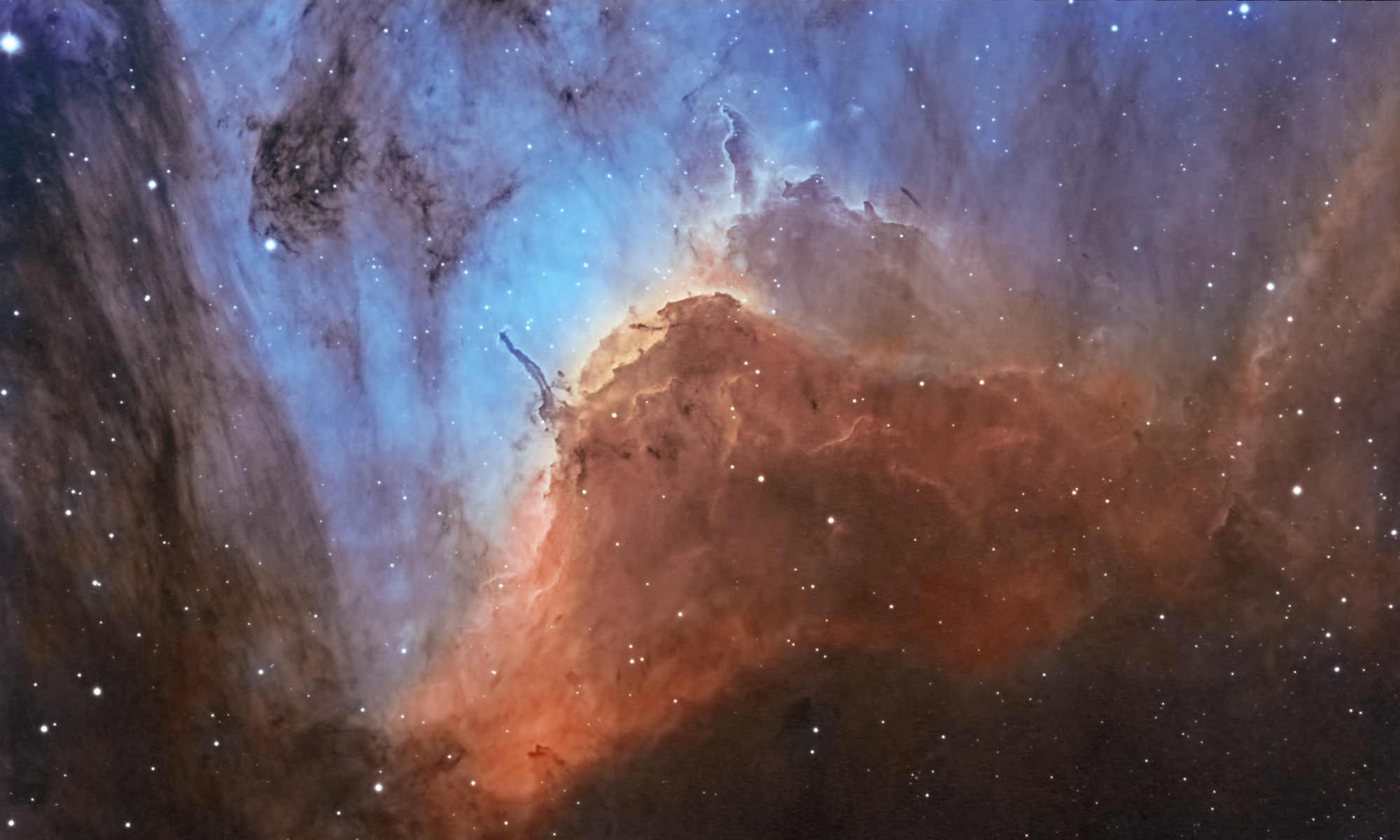

UPDATE FROM MABULA
I have had a very rough 2 months unfortunately health wise. I was struck 3x in a row with bacterial infections. The second infection occurred after a routine hospital checkup and I became very sick. I had to rest and take a lot of antibiotics. Once I was recovering and restarting work 1 month ago, I again became sick. The infection was not yet gone, so even more antibiotics and rest was needed. Needless to say, it took a lot of my energy and I needed a lot of rest.
Finally, the infection is really gone and my energy is coming back step-by-step now and I have started work again. I am terribly sorry to have kept you waiting for support. I will address all outstanding questions and e-mails step-by step and will be on the forum daily from today.
APP 2.0.0-beta47 will come soon as well, a lot of work was already completed before I became very ill, so the release is also nearly ready for you. Beta47 will be much faster actually. Many workflows will be more than 2x faster, mosaics can even be 10x faster than before because registration really received a major boost... all compared to beta46. Before I release it, I will make sure that everything is working properly and then I will release it.
So I decided to test out the RGB tool to create my SHO and HOO image stacks, but I have noticed that using APP to do this creates far too much noise and grainyness in the image, here is a screenshot using PixInsight on the left to do the RGB combine, and APP on the right, both images have had an STF applied.
Here is the HOOv1

The same thing happens with the SHOv1

Am I doing soemthing wrong, or missing some preliminary step?
Regards
Simon
Not sure as I can't tell very well from the screenshots, but to me the APP stretch seems a bit higher than the PI one. The dark patches are lighter in the APP stretch, which (if this is a stretch difference) show more noise. Does it look the same when opened in APP?
@vincent-mod I will do the same masked stretch on both images and show the difference, you are right an AutoSTF may apply different settings, but the masked stretch should not. Leave it with me, the imahe is 200mpx, so it takes a while, even on my 18 core system 😀
Hi Simon @stastro,
The RGB Combine Tool will of course not inject additional noise to the already present noise so if the resulting APP composite looks more noisy to you when compared to a Pixinsight composite using the same layers for the composite, then it surely must have to do with data normalization.
Did you try the different normalize settings in the RGB Combine Tool to see it that makes a difference ?
Mabula
@mabula-admin You might be onto something there. In PixInsight I just use pixelmath to apply the layers rather than the ChannelCombination, so it's not applying any normalization, I will compare a channel combination in PixInsight to the PixelMath version and see what happens before I play with normalization settings in the RGB Tool
So it would appear that the ChannelCombination tool in PixInsight does not perform any normalization as it looks exactly the same as when I perform a PixelMath, so let me check the Normalization settings in APP
So selecting "None" as the normalization method produces the exact same result as PixInsight, so the question is what does normalization do exactly in RGB tool? Especially with NB channels, and especially Multiply-Scale.
I just tried all options, and all options except multiply-scale produce the same result as PixInsight
I think I have found a bug in the RGB tool though. If I select SHO (Hubble 1) and choose (Re)-Calculate, it shows me the SHO Image, but then if I select HOO 1, and choose re-calculate, the image does not change, I have to quit the RGB tool, go back in, and choose HOO 1 and load my images. When changing from one profile ot another, I noticed the colour channel sliders do not change, for example I would expect the sliders to change based on the setting chosen, but they do not move, even going between the different SHO versions
@stastro This is not a bug. You need to click the "new formula" button for the changes to take effect. The reason is that after selecting a formula, you can move the sliders to adjust the formula and you may not want to lose that by accidentally selecting another formula.
So selecting "None" as the normalization method produces the exact same result as PixInsight, so the question is what does normalization do exactly in RGB tool? Especially with NB channels, and especially Multiply-Scale.
I just tried all options, and all options except multiply-scale produce the same result as PixInsight
Hi Simon @stastro,
Thanks that is good to hear and what i would expect 😉 Normalization in the tool, tries to make the channels more compatible in terms of illumination differences.
Mabula
