
2026-10-09 APP 2.0.0-beta48 has been released !
This is mainly a bug fix release for the reported bugs in beta47. In addition it has a significant User Interface performance improvement noticable when you need to process 1000s of images in APP.
2026-10-03 APP 2.0.0-beta47 has been released !
This is a very big release... many code optimizations/rewrites, many parts of APP are much faster and more precise, especially star analysis and registration are much faster ! Big mosaics will go much faster 🙂
And we introduce a new preview filter, which includes the new Adaptive Deep Sky Stretch and a General Levels Stretch, this has been long over due. The old preview filter (the panel on the right side to stretch and preview your data) has not been updated for a couple of years and it is a critical part of any APP session.
Adaptive Deep Sky Stretch or ADSS is a much more intuitive stretch algorithm. It is also color preserving (which is a great new addition in itself ! ) which means that the highlights are no longer bleached, color is maintained from the linear data while stretching. You can simply stretch your data using the sky background level and signal width sliders which work much easier and more intuitive. You no longer need to fiddle with the old complicated sliders with zoom buttons. All the zoom buttons for the sliders are made redundant. And you can enter slider values in the slider value fields yourself. I will make a youtube video in the coming days to explain and fully introduce ADSS. Once the video is ready, it will be highlighted on the forum.
RGB Combine upgrade !. The RGB Combine Tool has been rewritten mostly. The tool is faster and easier to use and most importantly, the Luminance slider to inject a luminance channel or channels into the RGB composite is now working correctly. It no longer bleaches the RGB colors. Combined with the new ADSS preview, you will get much better and easier great composites with great color! I will also explain this in a new youtube video.
I know you mainly get questions and issues here, I’ve certainly posted my share. So I just wanted to express my appreciation for APP. I image with a stock Alt/Az Goto Dobsonian, a telescope that should not, in any way, be able to do deep sky astrophotography.
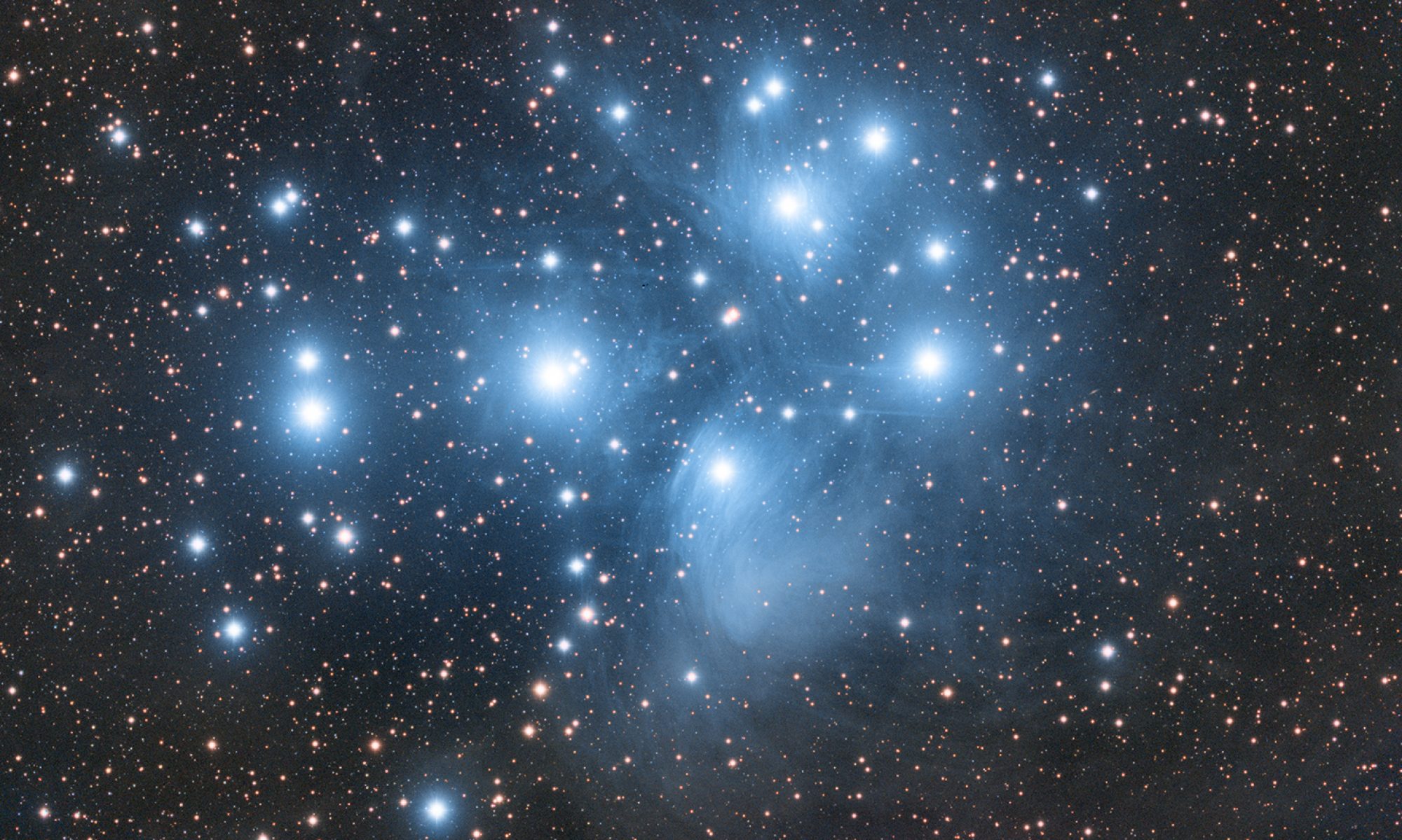
And it was difficult at first… stacking would fail with Deep Sky Stacker, the rotation over an imaging session would have awful boundaries on other stackers, but APP was not only the most robust of four stackers I tried, but it produced the best results. Who would have thought that images like this could pretty easily be captured with a basic observational Dob!

This is with a full frame camera on a focal reduced (f3.65) 12” Dob allowing me to capture this in only 3 hours from my suburban Bortle 7 backyard. I tried stacking it in other systems but only APP could handle the complexity of rotated subs, my drift causing mis-registration, my desire to maximize and increase the imaging frame to hold all these drifting rotating subs, and handling the highly vignettes corners from using a too big sensor on a focal reduced observational newtonian! Talk about a pressure test! But it works! Yay for LNC and MBB and integrating in full mode!
Good job!
PS: my big ask would be to create a way to stack 6000 24-megapixel subs with field rotation without using 4-6TB of SSD. Either perhaps compressing the intermediate data you save with compression tuned for the data format you store or provide a way to stack a big job in chunks and then stack the final output together. I do that manually now.
That made my weekend at least, always great to hear from people that have fun with it. 🙂 We will always work on improving the data processing, it already uses less memory in the latest beta, disk space is a different matter though, I'll ask Mabula if some type of compression would be possible.
