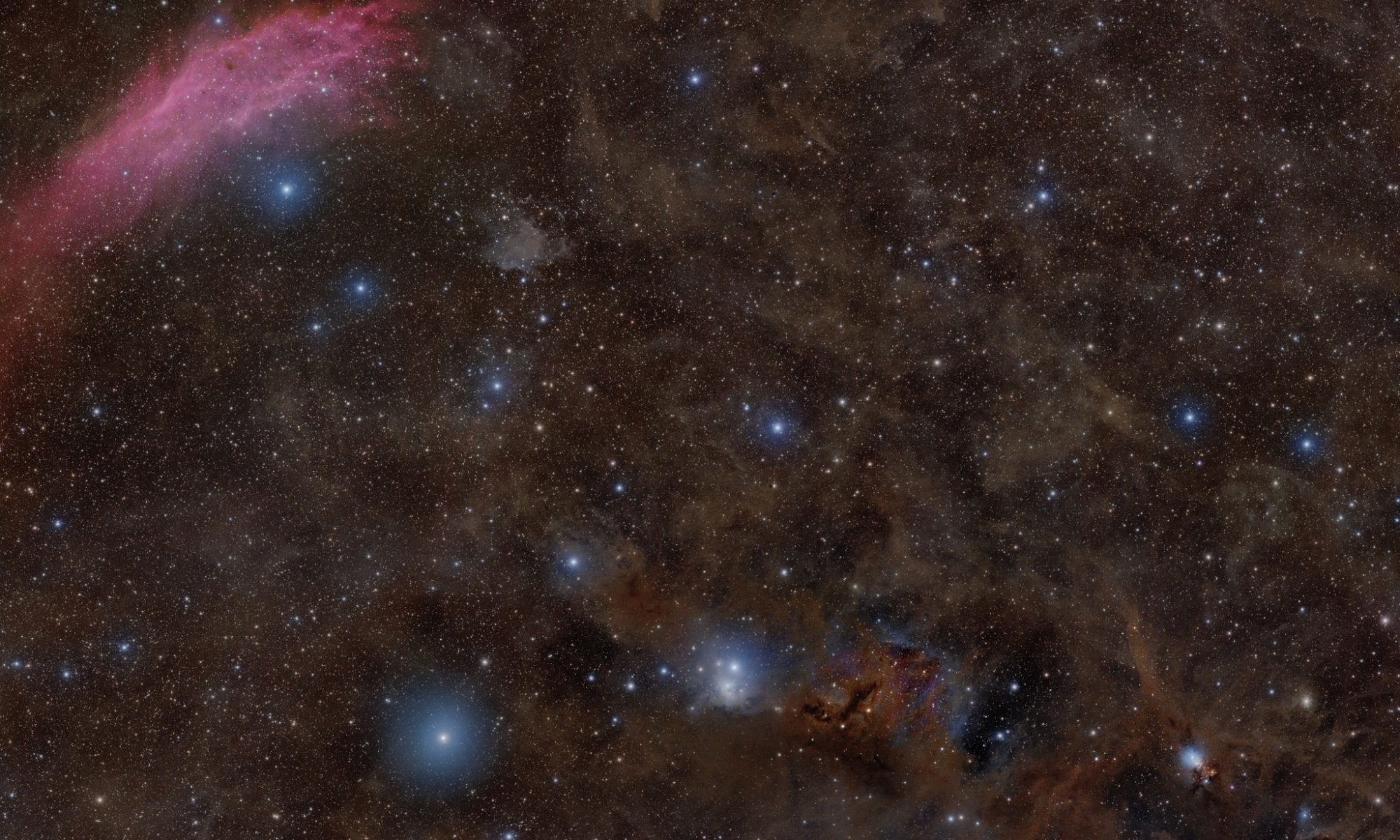

2026-10-09 APP 2.0.0-beta48 has been released !
This is mainly a bug fix release for the reported bugs in beta47. In addition it has a significant User Interface performance improvement noticable when you need to process 1000s of images in APP.
2026-10-03 APP 2.0.0-beta47 has been released !
This is a very big release... many code optimizations/rewrites, many parts of APP are much faster and more precise, especially star analysis and registration are much faster ! Big mosaics will go much faster 🙂
And we introduce a new preview filter, which includes the new Adaptive Deep Sky Stretch and a General Levels Stretch, this has been long over due. The old preview filter (the panel on the right side to stretch and preview your data) has not been updated for a couple of years and it is a critical part of any APP session.
Adaptive Deep Sky Stretch or ADSS is a much more intuitive stretch algorithm. It is also color preserving (which is a great new addition in itself ! ) which means that the highlights are no longer bleached, color is maintained from the linear data while stretching. You can simply stretch your data using the sky background level and signal width sliders which work much easier and more intuitive. You no longer need to fiddle with the old complicated sliders with zoom buttons. All the zoom buttons for the sliders are made redundant. And you can enter slider values in the slider value fields yourself. I will make a youtube video in the coming days to explain and fully introduce ADSS. Once the video is ready, it will be highlighted on the forum.
RGB Combine upgrade !. The RGB Combine Tool has been rewritten mostly. The tool is faster and easier to use and most importantly, the Luminance slider to inject a luminance channel or channels into the RGB composite is now working correctly. It no longer bleaches the RGB colors. Combined with the new ADSS preview, you will get much better and easier great composites with great color! I will also explain this in a new youtube video.
Hello
I have what is a common problem with many refractors: the red and green channels can be focused sharply, but some of the stars under the blue channel are significantly larger. I think what is happening is that even within the blue filter passband there is still significant dispersion, i.e. the color blue-green focuses ok, but the color blue-violet becomes out of focus. When viewing the blue image UNSTRETCHED, most of the stars are ok, and maybe only a little wider, but when viewing STRETCHED there is a significant blooming of some of the brighter stars. So then when I combine the images, the stars have a blue ring around them.
Anyway, is there a way to fix this in the program? I tried the checkbox of align stars, but that didn't help.
No indeed, halos are tricky. The light pollution correction may work a bit for very large halo's, but I think only when it's more of a gradient coming from just outside the frame for example.
I'm not talking about giant halos - it's just a few pixels worth.
Yes, so my example was for these more giant ones. There it would still work, for smaller ones there is no real solution yet.
