
May 27 2026 APP 2.0.0-beta45 has been released !
Fully Multi-Threaded LNC, many improvements for the registration engine, platform upgrade, and further tuning of internal memory consumption and memory release back to OS.
Apr 14 2026: Google Pay, Apple Pay & WeChat Pay added as payment options
Update on the 2.0.0 release & the full manual
We are getting close to the 2.0.0 stable release and the full manual. The manual will soon become available on the website and also in PDF format. Both versions will be identical and once released, will start to follow the APP release cycle and thus will stay up-to-date to the latest APP version.
Once 2.0.0 is released, the price for APP will increase. Owner's license holders will not need to pay an upgrade fee to use 2.0.0, neither do Renter's license holders.
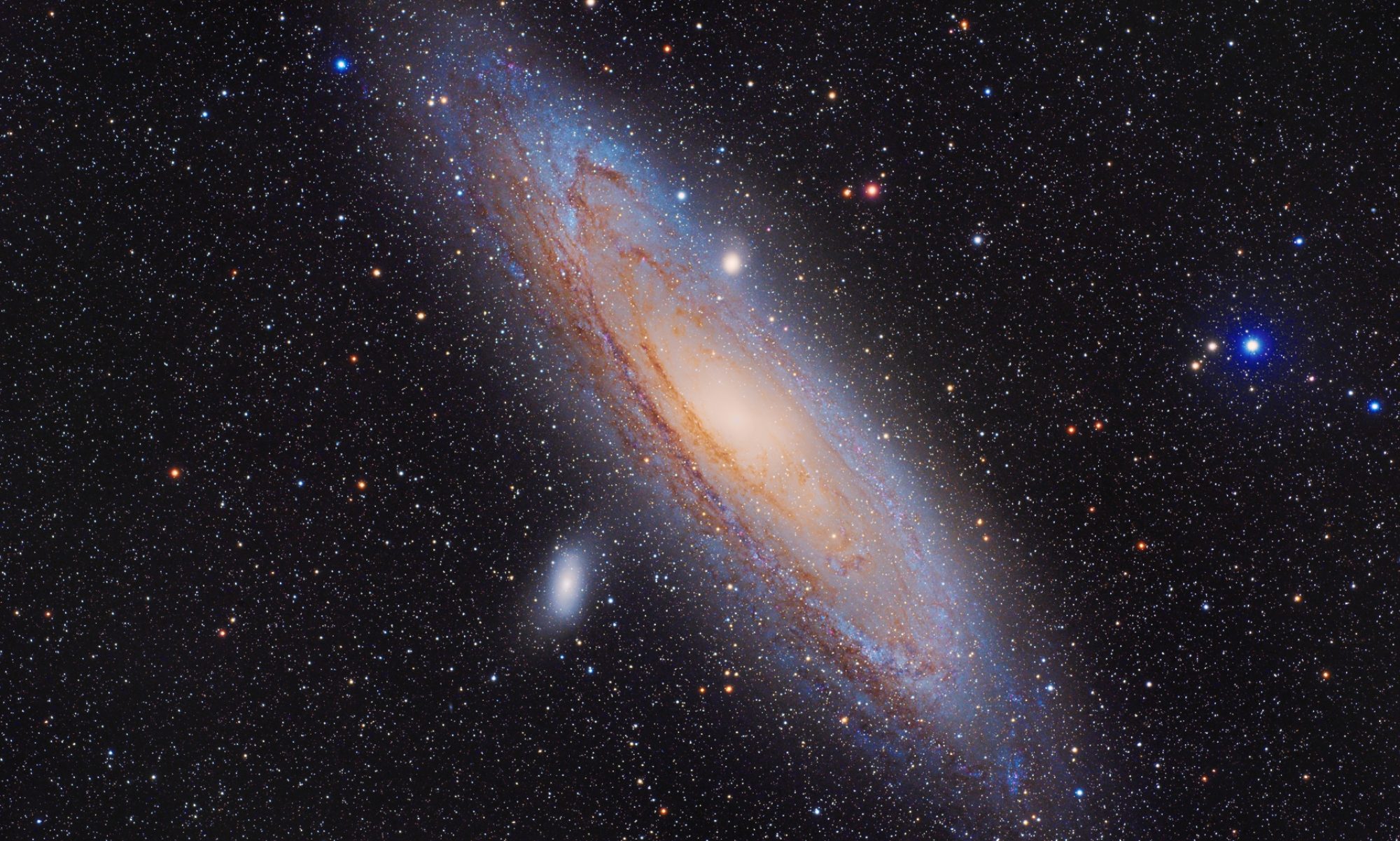
This is a widefield image of Bode's Galaxy. I waned o fcocus n the csic dust in this area. Therefor took the image primarily in L cannel. For Stars and some colors in the galaxies I used a ew frames in RGB. It's a 4-panel mosaic with about 50% overlap. Maybe a bit excessive but since I habe to go deep in the background, thin bands in the overlapping area can be avoided, what makes LPC a bit simpler.
each panel:
L 110 x 3 min
R 18 x 2 min
G 18 x 2 min
B 18 x 2 min
Touptek 2600m, Askar 69PHQ*0,75red (312mm, f/4.8)
mosaic stacking, LPC, RGB combine in APP
BXT and SXT in PI
Graxpert Denoise
Finishing in RawTherapee
I got some color cast in RGB background, as you can see in the upper corner, mostly on the left side (red dust). Maybe this could have been avoided by doing a masked overlay or using HSL tool in APP to eliminate colors in background (but this is on the same level as dust an noise...).
Stars are somewhat looked like diamonds after RGB combine. Someone got an idea on how to avoid that?


Hi Sebastian @xyfus,
Awesome result, that is a great composition, I like it !
Those diamonds can be caused by Lanczos interpolation when downscaling the result I think. So in 6) check the data itnerpolation filter and use another algorithm instead of Lanczos.
Let me know if that helps.
Mabula
Thanks! 🙂
Those diamonds can be caused by Lanczos interpolation when downscaling the result I think. So in 6) check the data itnerpolation filter and use another algorithm instead of Lanczos.
Oh? I thought interpolation settings only effected scaling, so I never touched that before... 😉
I did give it a try and yes, I got "better" / rounder stars (as is mentioned the other settings will get somewhat less sharp results than lanczos) but for rgb blending and stars this will be ok. I don't have a finished result yet, but it did help! Thank you!
Hi Sebastian @xyfus,
Great, yes, Lanczos is best for most accurate reconstruction. But the other filters will have a bit of a denoise effect as well, especially Cubic B-Spline is very nice for reducing noise if accuracy is not the greatest concern.
You are most welcome,
Mabula
