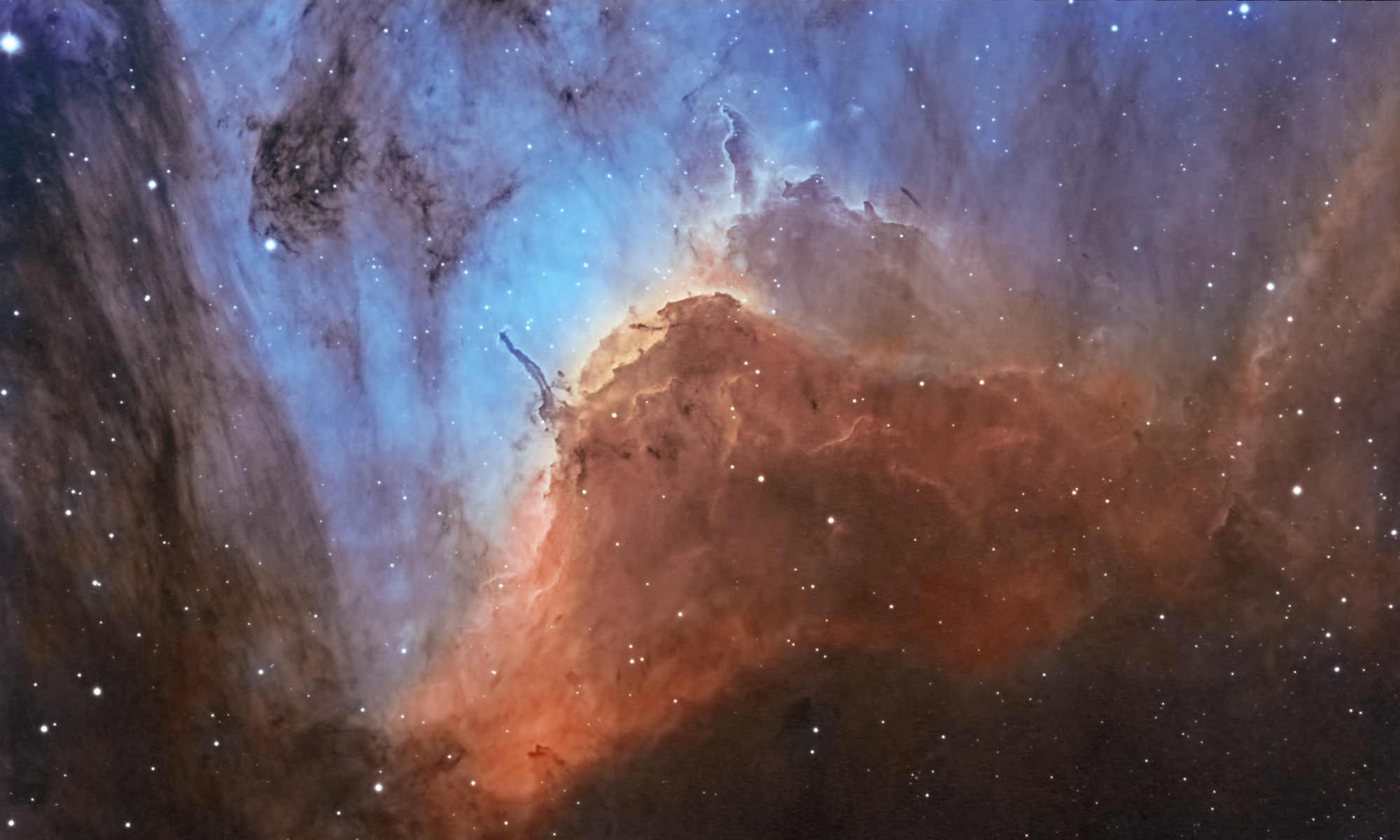

UPDATE FROM MABULA
I have had a very rough 2 months unfortunately health wise. I was struck 3x in a row with bacterial infections. The second infection occurred after a routine hospital checkup and I became very sick. I had to rest and take a lot of antibiotics. Once I was recovering and restarting work 1 month ago, I again became sick. The infection was not yet gone, so even more antibiotics and rest was needed. Needless to say, it took a lot of my energy and I needed a lot of rest.
Finally, the infection is really gone and my energy is coming back step-by-step now and I have started work again. I am terribly sorry to have kept you waiting for support. I will address all outstanding questions and e-mails step-by step and will be on the forum daily from today.
APP 2.0.0-beta47 will come soon as well, a lot of work was already completed before I became very ill, so the release is also nearly ready for you. Beta47 will be much faster actually. Many workflows will be more than 2x faster, mosaics can even be 10x faster than before because registration really received a major boost... all compared to beta46. Before I release it, I will make sure that everything is working properly and then I will release it.
I often image the same object simultaneously using both of my OTA's. Same location and time. Both are high end refractors with identical cameras, (2600mm pro) and filters (Antlia). One is 930mm Fl and the other is 560mm Fl.
I've been stacking them in APP for a few years now and am generally pleased with the results, especially with APP 2.0 beta44. I have heard some pushback online that two focal lenghts can cause softness and artifacts. Can anyone offer any tips, tricks or cheat sheet that might offset me wondering if that might be true?
Again, I am pretty happy with my current workflow and results, but I'm always looking to improve. I have noticed a lot of impovement over that last year with APP, so a big shout out and thanks to Mabula!
Thank you for any feedback,
Frank


Hi Frank @frank-coster,
Thank you very much for posting your question and your nice feedback, that is greatly appreciated.
I've been stacking them in APP for a few years now and am generally pleased with the results, especially with APP 2.0 beta44. I have heard some pushback online that two focal lenghts can cause softness and artifacts. Can anyone offer any tips, tricks or cheat sheet that might offset me wondering if that might be true?
Simply combining data from 2 focal lengths should not be a problem at all. Any softness or artifacts will be caused by data quality issues caused by either bad optics or problems in the optical path that create artifacts. If there are optical issues like that, if you use 1 telescope, the artifacts are consistent and are not too bothersome. But if you combine 2 telescopes with both artifacts and thus very likely different artifacts, the artifacts become more of a bother of course.
Softness might have to do with capture quality (sky conditions) and or sub optimal sampling maybe (pixel size versus resolution of the optics).
From you settings, the most obvious improvement will come from turning on dynamic distortion correction in 4) Register, that should ensure that the alignment of your stars between the focal lengths improves substantially I think, creating sharper results especially in the corners of your field of view.
I see that you are using drizzle, which is okay, but depending on the amount of data, I suggest you play with the drizzle droplet size. With less than 100 frames, maybe increase the droplet size a bit. With several 100s of images, you can even lower it to 0,5-0,6 to get a bit more sharpness.
So try first dynamic distortion correction, in my experience, this improves things a lot when combining data of different focal lengths most of the time.
Please let me know if this helps,
Mabula
Thank you Mabula for getting back to me. Like I said before I have been happy with my stacking results recently, and now I know my settings in A.P.P. are on the right track.
Today I re-stacked an HaLRGB galaxy project I did 2 months ago, 400+ subs with 5 different filters, and used the "Dynamic Distortion Correction" this time. I noticed a slight outward bulge in the new stack done today and very slightly larger stars when pixel peeping. Otherwise the masters looked good and I completed the full post processing with good results. The only reason I drizzle is because my SVX90T is a little undersampled. My SVX130T is not undersampled.
Thank you again Mabula
Frank
Okay great Frank 😉 thanks for the feedback, happy to hear all is okay.
Optical distortion can have different forms, so the correction can make the data look different like you see, that outward bulge means that the optics distort in the opposite direction. You can read about these here : https://en.wikipedia.org/wiki/Distortion_(optics) I have also written about this in the upcoming manual.
Mabula
