

UPDATE FROM MABULA
I have had a very rough 2 months unfortunately health wise. I was struck 3x in a row with bacterial infections. The second infection occurred after a routine hospital checkup and I became very sick. I had to rest and take a lot of antibiotics. Once I was recovering and restarting work 1 month ago, I again became sick. The infection was not yet gone, so even more antibiotics and rest was needed. Needless to say, it took a lot of my energy and I needed a lot of rest.
Finally, the infection is really gone and my energy is coming back step-by-step now and I have started work again. I am terribly sorry to have kept you waiting for support. I will address all outstanding questions and e-mails step-by step and will be on the forum daily from today.
APP 2.0.0-beta47 will come soon as well, a lot of work was already completed before I became very ill, so the release is also nearly ready for you. Beta47 will be much faster actually. Many workflows will be more than 2x faster, mosaics can even be 10x faster than before because registration really received a major boost... all compared to beta46. Before I release it, I will make sure that everything is working properly and then I will release it.
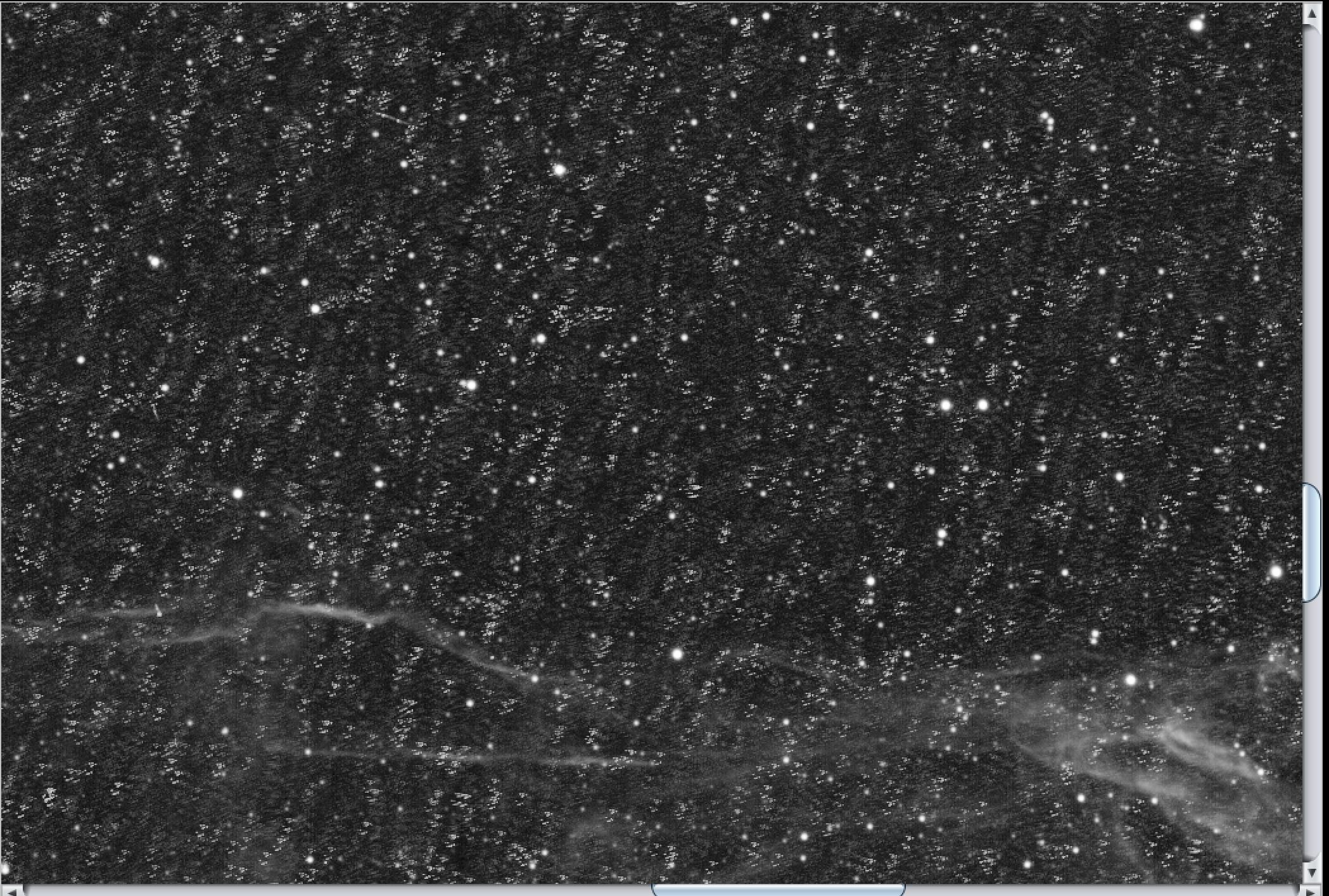
Looking for help using APP to process data from the FLI KL4040 or KL400. This camera is based on a Scientific CMOS chip and has large amounts of Fixed Pattern Noise. I have been trying to process the subs with APP and getting tons of strange artifacts in the calibrated and integrated images, as well as warning messages about being unable to normalize many of the subs. I'll post a zoom of a calibrated image as well as an integration, will submit links to the FITS files later. Done without Adaptive pedestal, using matching darks and bias-calibrated flats. Images were heavily dithered - note I could process in Pixinsight significantly more successfully, but I love APP and hoping we can figure out whats happening
Please note the AFTER calibration is first and then the BEFORE


Integration
Hi @whixson those subs do look quite challenging indeed. What kind of processing do you do in PI to get a more succesful result? Could you post a result of that as well? I think it's best if I look at the data and calibration frames to see if I can get it to work. You can upload them to the APP server: server with username and password: appuser
Please create a folder with your name first.
Thanks!
Thanks Vincent!
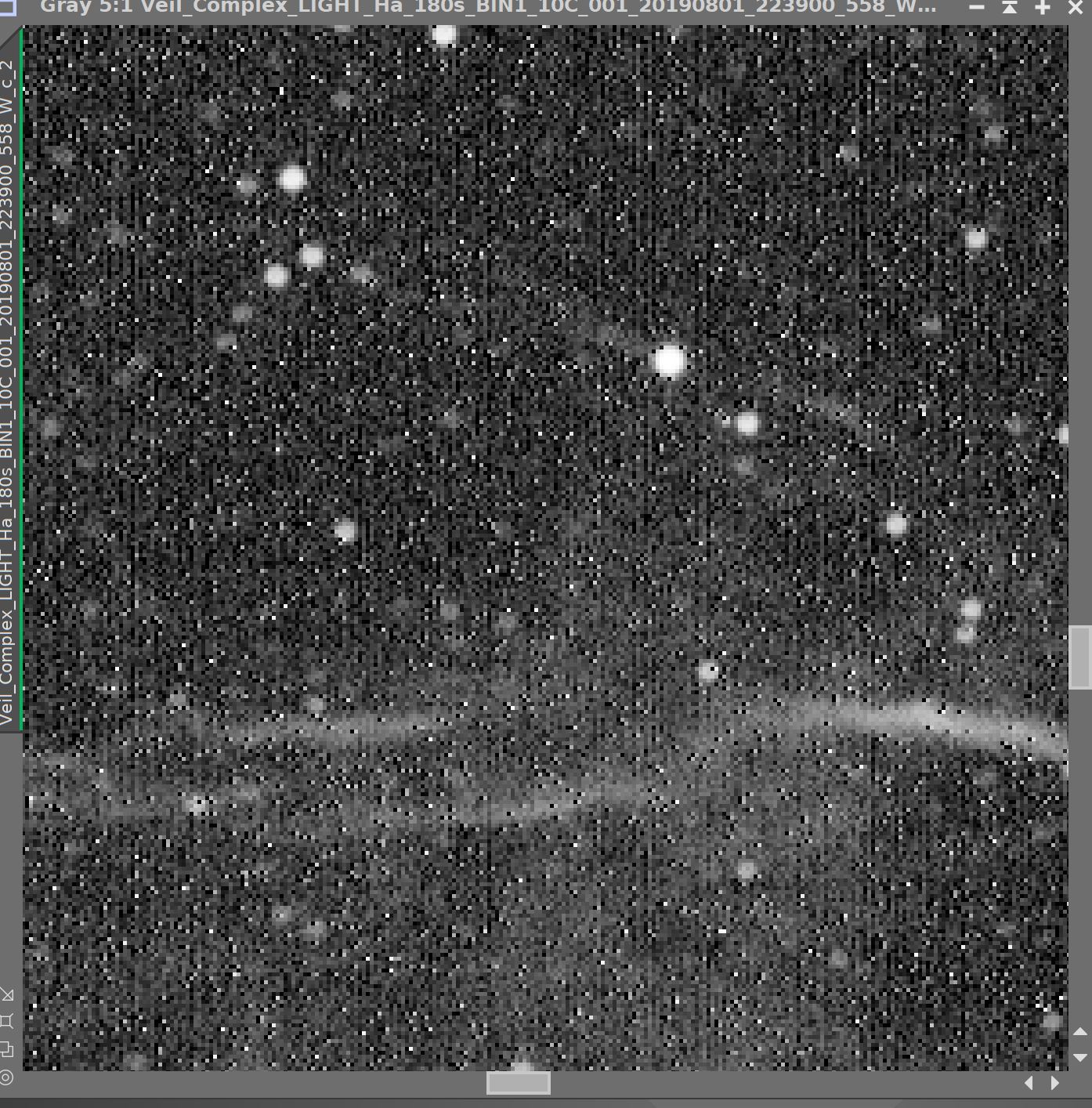
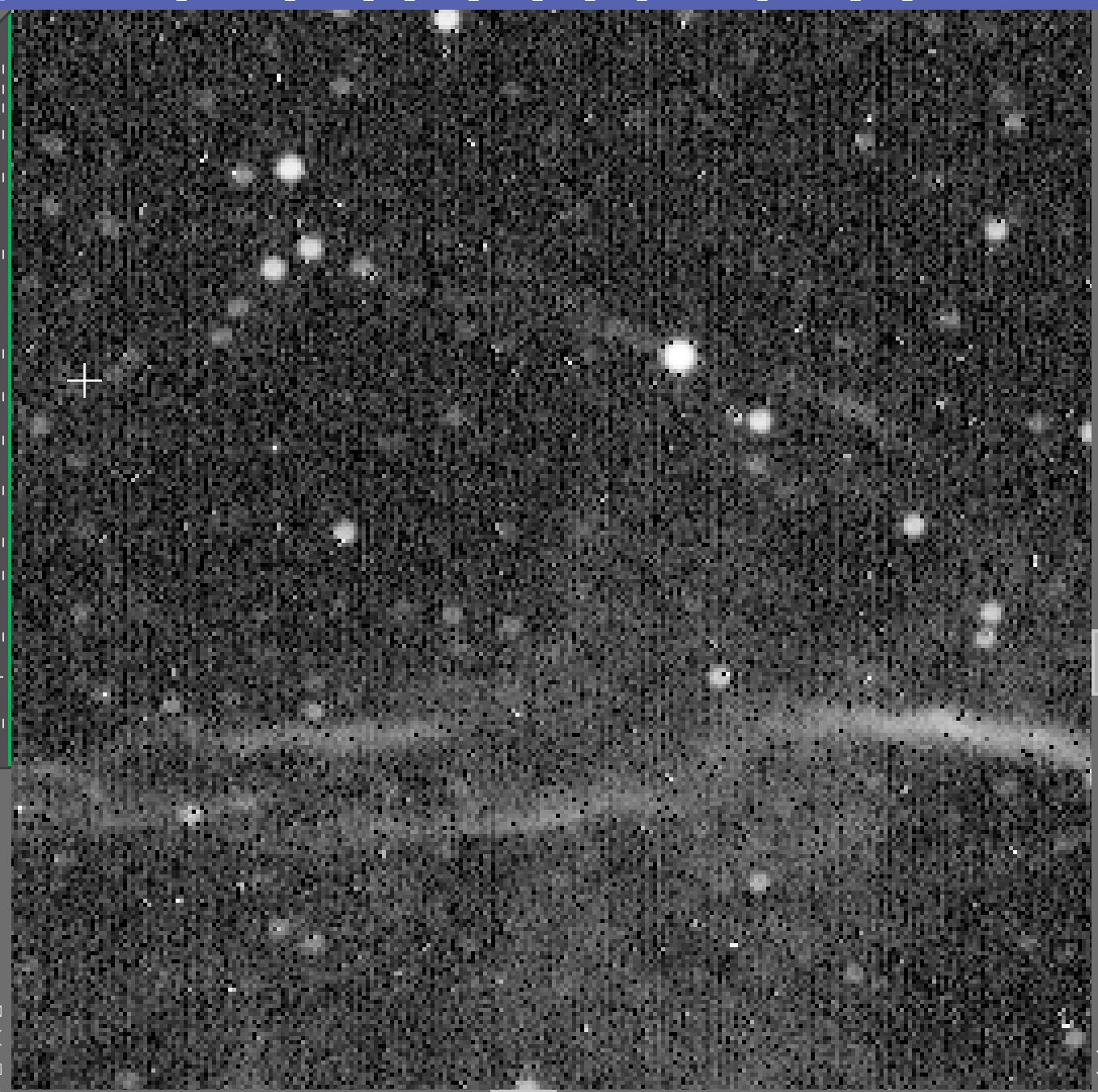
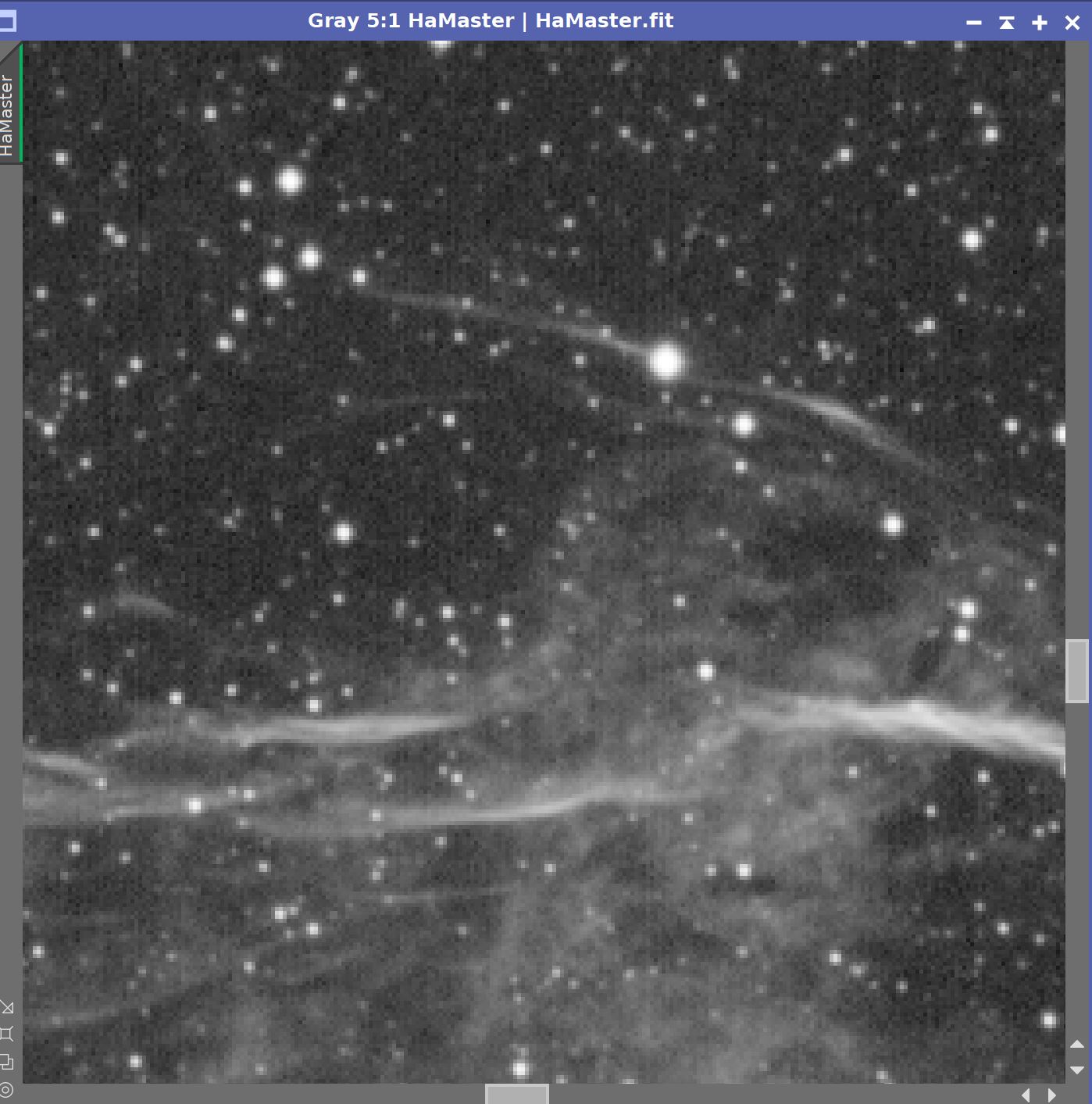
PI processing was pretty much along the lines in Warren Keller's book. I didn't do any dark scaling though. Lights were calibrated with matched darks, and flats, because they were sky flats of different exposure lengths, with bias master only because it was impractical to have matching darks. I should note I heavily dithered every other exposure.
I'm attaching the same zoom-in of the raw sub, calibrated, cosmetically corrected subs and the integrated master. As you can see, although the calibrated sub still had issues, it didn't have the columnar smearing I got with APP. Cosmetic Correction helped a lot, although I see I could have been even more aggressive. The master is where things got better, where I think the dithering helped a lot.

I'll post this and then go upload a subset of my files. Thanks again! This is a great camera in many ways, but calibration is a whole new ballgame!
EDIT: Just posted 9 files each Ha lights, matching darks, biases and flats. Note I used 1 second subs as biases based on a recommendation I got from another user. Good luck!!
Wayne
I'll get to it in due time, please allow for up to a few days. 🙂
No problem! Thanks for looking into this.
Ok, what about this one; can't exactly tell what region you have there and I hope the JPG will show enough (right-click and open in a new tab for 100% view). This is right after integration, no extra touch ups.

And a crop;

Looks amazing Vincent - what were your settings? That's great!
Excellent! So I didn't do anything really out of the ordinary, I figured doing things slightly different than you already tried might work, apparently it did straight away. 😉


I notice several things different. I didn’t do dynamic distortion correction or MBB, or the MAD sigma clip. Did you do anything special with darks, flats or biases settings? Scaling?
I’ll try again with the full data set. Maybr I had too much data 😂 or some bad subs, although I did blink them in PI before processing
thanks, excited now to try again
Nope, nothing special, simply the above settings. You might want to stack like 90% or so based on quality with the bigger dataset. The sigma clipping I did because of the amount of noise it has, it might help a bit but you can experiment on a small sample like this set. The distortion correction I figured might be helpful as your registration looked wrong. MBB on a dataset like this won't have a dramatic effect, just maybe the edges of the integration.
Thanks Vincent - I think that made all the difference! I'll post the result
