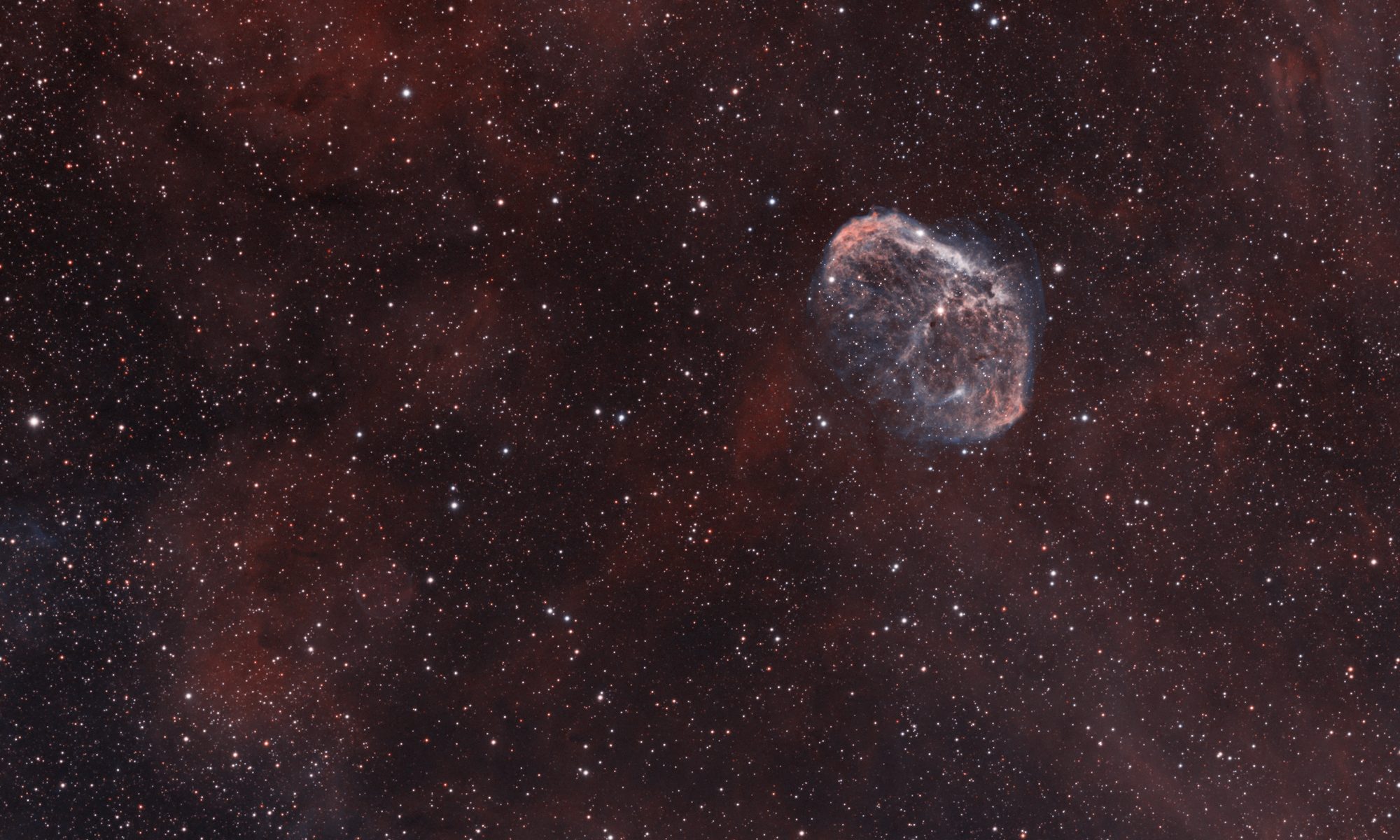

2026-10-09 APP 2.0.0-beta48 has been released !
This is mainly a bug fix release for the reported bugs in beta47. In addition it has a significant User Interface performance improvement noticable when you need to process 1000s of images in APP.
2026-10-03 APP 2.0.0-beta47 has been released !
This is a very big release... many code optimizations/rewrites, many parts of APP are much faster and more precise, especially star analysis and registration are much faster ! Big mosaics will go much faster 🙂
And we introduce a new preview filter, which includes the new Adaptive Deep Sky Stretch and a General Levels Stretch, this has been long over due. The old preview filter (the panel on the right side to stretch and preview your data) has not been updated for a couple of years and it is a critical part of any APP session.
Adaptive Deep Sky Stretch or ADSS is a much more intuitive stretch algorithm. It is also color preserving (which is a great new addition in itself ! ) which means that the highlights are no longer bleached, color is maintained from the linear data while stretching. You can simply stretch your data using the sky background level and signal width sliders which work much easier and more intuitive. You no longer need to fiddle with the old complicated sliders with zoom buttons. All the zoom buttons for the sliders are made redundant. And you can enter slider values in the slider value fields yourself. I will make a youtube video in the coming days to explain and fully introduce ADSS. Once the video is ready, it will be highlighted on the forum.
RGB Combine upgrade !. The RGB Combine Tool has been rewritten mostly. The tool is faster and easier to use and most importantly, the Luminance slider to inject a luminance channel or channels into the RGB composite is now working correctly. It no longer bleaches the RGB colors. Combined with the new ADSS preview, you will get much better and easier great composites with great color! I will also explain this in a new youtube video.
The OpenGL button does effect displaying the finished Mosaic. Thank you for that tip!!! One further question on the "OpenGL", could I leave it one while processing for better performance with steps 3-6, and then just turn it off to display the images? Or should I just disable it all the time because of the potential rainbow issue?
I have had some success overnight too (see the attached image). As a side note, it seems that processing all the subs, from all panels, is not practical, even if you have a relatively small number like I had for this with 150 across six panels. I left it run for +2weeks and it never even finished step 4, let alone getting through to final integration. So processing a panel at a time and then doing the combine last seems to be the way to do this. Perhaps people get different results on Windows/Linux, but on my iMac with multi-cores and 12+gig of RAM assigned it doesn't seem practically feasible.
I'll post screen shots of my settings in steps 4-6 in a followup post.
I'm pretty happy with this final image even though I'm sure there are many tweaks / changes that could be made, but at least I've got an OK result.
Thanks for you help folks, I really appreciate it.
In the attached the blending was OK and after a crop I was able to do some basic steps from step 9, remove LP, calibrate background/stars and did two simple adjustments in HSL for background and bumped red up just a little bit.

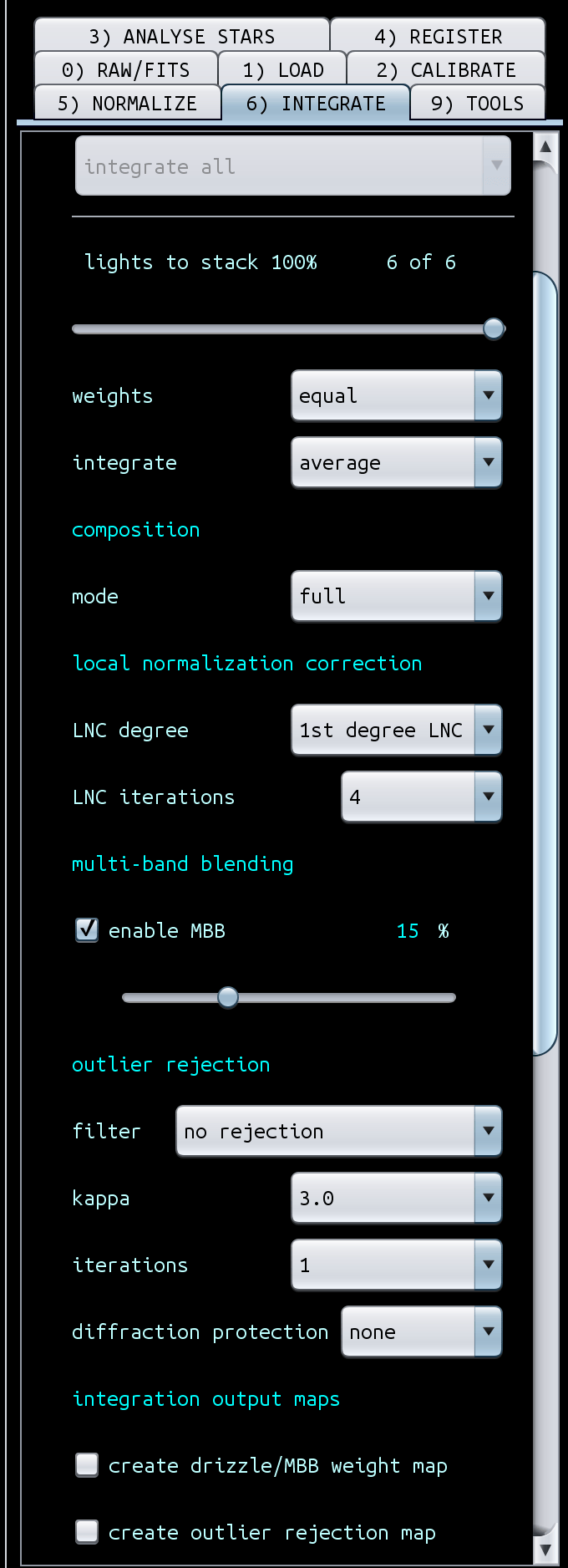
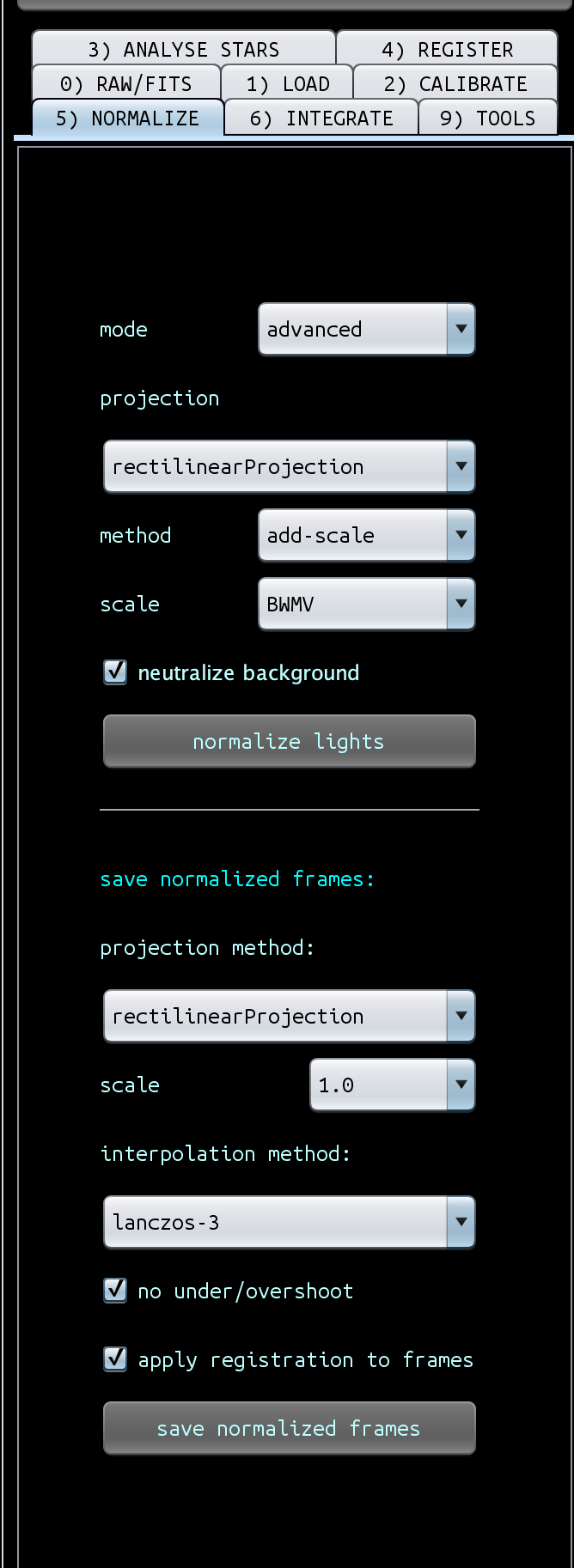

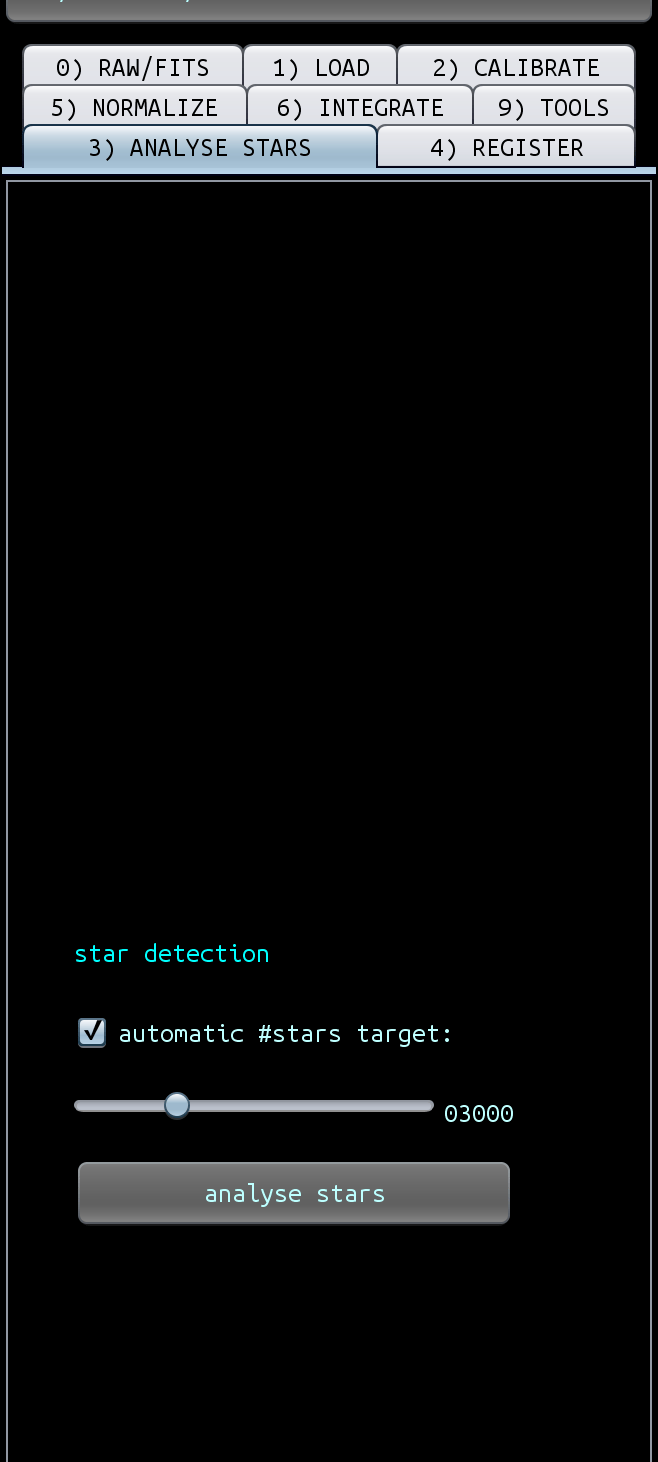
Here are the settings that I got, many are from earlier posts in this thread, but these seemed to get a base OK result. Hope this helps others.
Looking good! Yes, when doing mosaics I think it's better to first create the panels and then do the mosaic, it's how I do it all the time as well and just try to correct each panel as good as possible too.
Glad to see that the OpenGL thing has worked !
I advised you to do that in my first post, but maybe I wasn't clear enough (sorry for my english) 😉
For making mosaic, I also create each panel (crop for edges cleaning, gradient and light pollution removal), then I create the mosaic. My settings are not far from yours.
And I have to unable the openGL to display the mosaic and process it.
One quick question please. On top of the remove light pollution tool (which is all kinds of amazing), you say "remove gradient" do you also mean using the calibrate background and calibrate stars features of APP to do that?
The LP tool is basically a gradient removal tool. I guess he hints to the same process.
