
UPDATE FROM MABULA
I have had a very rough 2 months unfortunately health wise. I was struck 3x in a row with bacterial infections. The second infection occurred after a routine hospital checkup and I became very sick. I had to rest and take a lot of antibiotics. Once I was recovering and restarting work 1 month ago, I again became sick. The infection was not yet gone, so even more antibiotics and rest was needed. Needless to say, it took a lot of my energy and I needed a lot of rest.
Finally, the infection is really gone and my energy is coming back step-by-step now and I have started work again. I am terribly sorry to have kept you waiting for support. I will address all outstanding questions and e-mails step-by step and will be on the forum daily from today.
APP 2.0.0-beta47 will come soon as well, a lot of work was already completed before I became very ill, so the release is also nearly ready for you. Beta47 will be much faster actually. Many workflows will be more than 2x faster, mosaics can even be 10x faster than before because registration really received a major boost... all compared to beta46. Before I release it, I will make sure that everything is working properly and then I will release it.
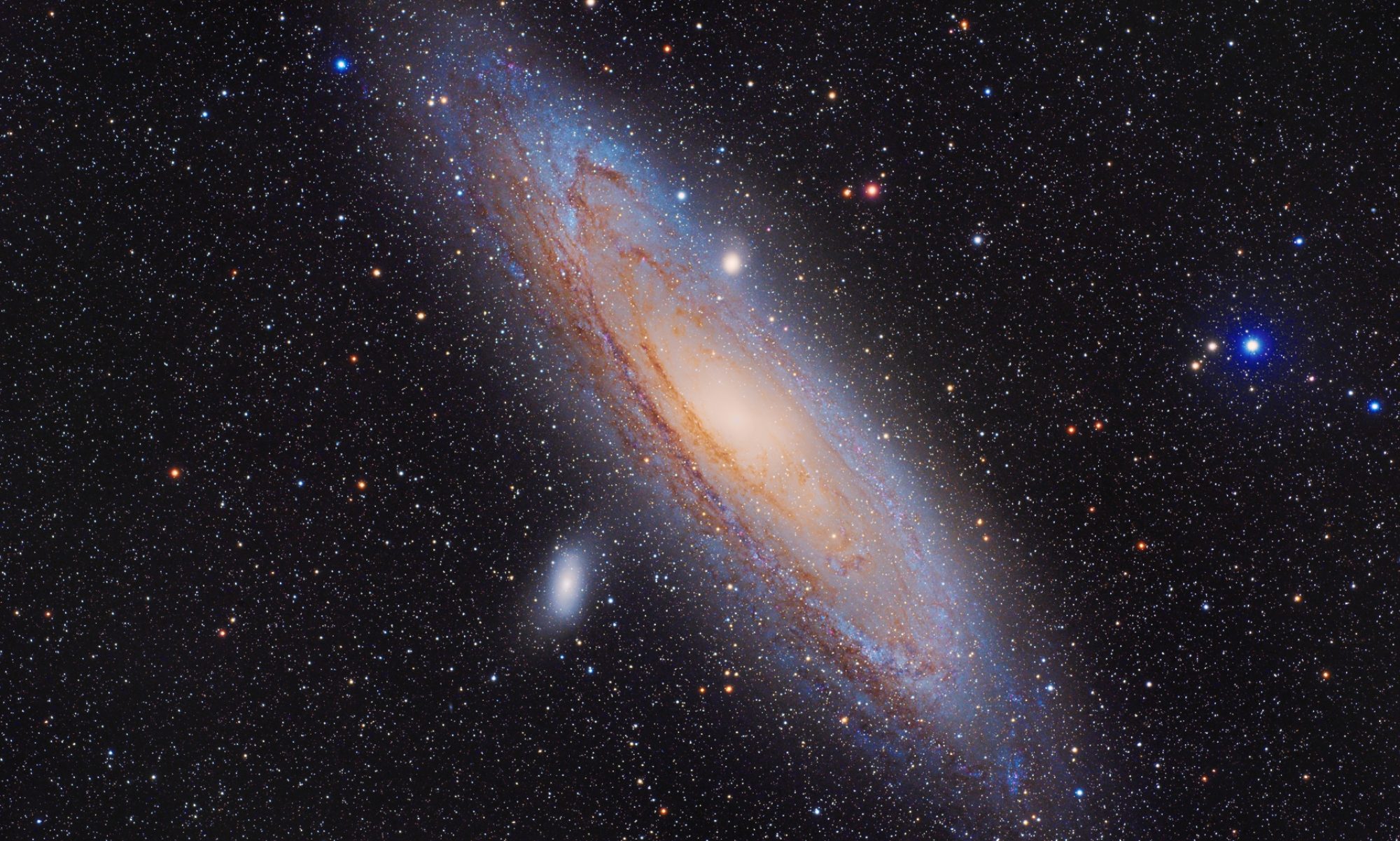
Being mostly an urban shooter, and being mainly interested in broadband (primarily galaxies), I end up taking thousands of subs to obtain the desired integration times. I have just completed 22 hours on M81, (5 hours from my Bortle 3 dark skies, the rest from my Bortle 7 backyard). I have ended up with thousands of subs. To add insult to injury, I have data from two different setups (different pixel scale). My computer and hard drive simply can't cope with this. The only thing I can think of doing, until the computer situation changes, is to divide the stacking into smaller sessions that my computer can swallow and then re-stack the resulting stacks. I wonder how much would be lost in terms of signal by doing this and what would be the preferred strategy to do so? Is this even worth doing? will I get any signal gains from stacking, say, five or six sessions independently, and then recombining those?
Would love to hear your thoughts-recommendations. I already know I will need to get a new computer at some point, but for now please limit your thoughts/advice to what I can do in my current situation.
Thanks in advance for any ideas and happy new year!!
Erik
Thousands, well that is impressive. 🙂 You should divide that data up into smaller sets indeed, when you stack say 100-200 at a time with the proper calibration data etc, you will get all the benefits of any dithering you do and overall SNR improvements. You can then combine those integration together again (without using calibration data again) and have a nice result. Theoretically it's better to have all subs together, but I haven't seen big differences when doing subsets of a lot of data.
Hi Vincent, thanks for taking the time to reply. That`s great news! Every individual stack has a substantial number of subs, and I do dither frequently and aggressively, so I should be in good shape to give this a try..
Thanks again.
Erik
