
Mar 28 2026 APP 2.0.0-beta40 will be released in 7 days.
It did take a long time to have the work finished on this and it will have a major performance boost of 30-50% over 2.0.0-beta39 from calibration to integration. We extensively optimized many critical parts of APP. All has been tested to guarantee correct optimizations. Drizzle and image resampling is much faster for instance, those modules have been completely rewritten. Much less memory usage. LNC 2.0 will be released which works much better and faster than LNC in it's current state. And more, all will be added to the release notes in the coming weeks...
Update on the 2.0.0 release & the full manual
We are getting close to the 2.0.0 stable release and the full manual. The manual will soon become available on the website and also in PDF format. Both versions will be identical and once released, will start to follow the APP release cycle and thus will stay up-to-date to the latest APP version.
Once 2.0.0 is released, the price for APP will increase. Owner's license holders will not need to pay an upgrade fee to use 2.0.0, neither do Renter's license holders.
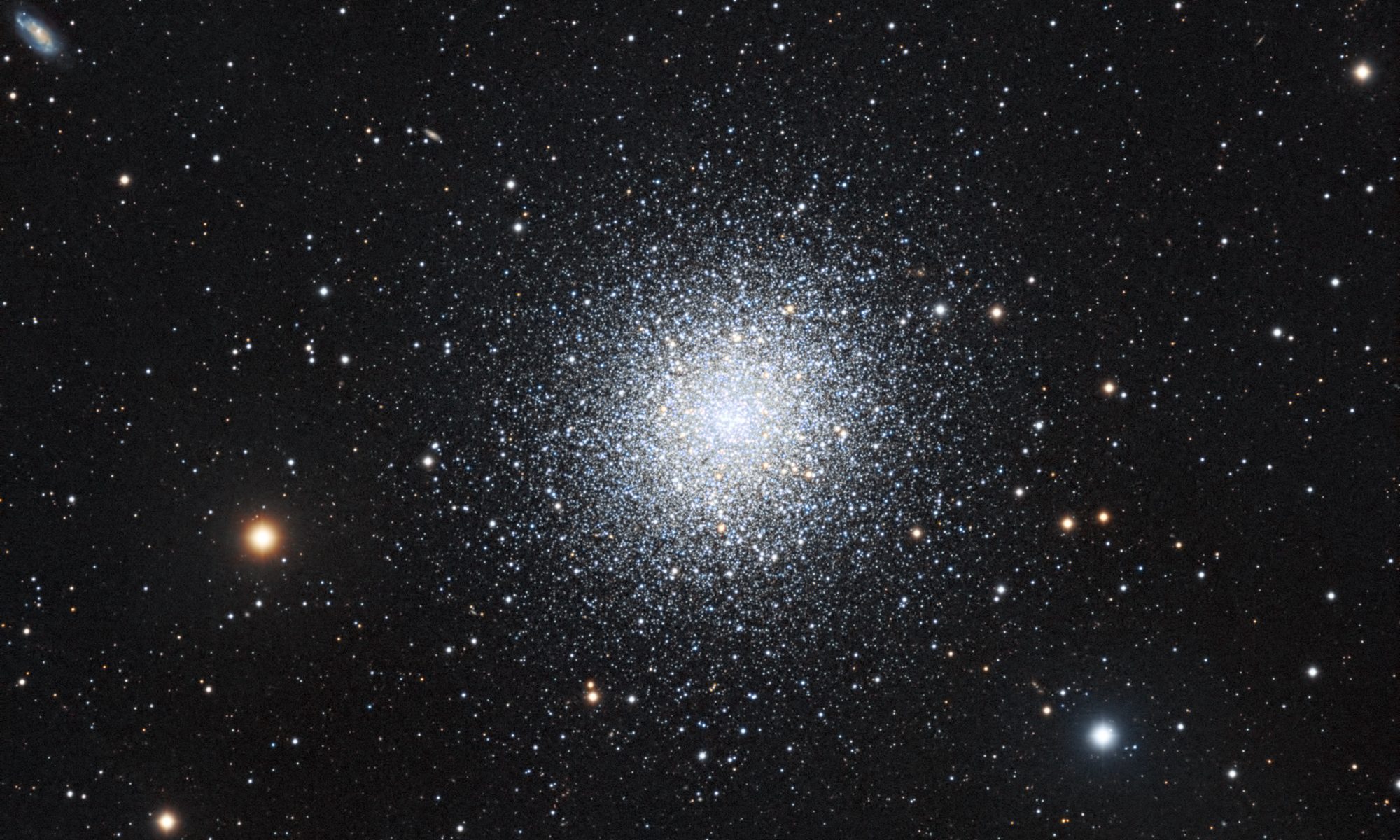
Zoals besproken op AF.nl met Maarten V. dan een topic over het bewerken van de data van M51.
Hier kan ik dus de data uploaden maar pas na gevraagd te zijn begrijp ik
Heb de file de naam Zeester N51 gegeven, Hoop dat dit werkt.
Groeten Peter
@zeester Hi Peter,
Ik was me who requested you open a topic here, not Maarten. I have downloaded your data and will soon be back with some post-processing tips for you.
Wouter
Oeps, sorry Wouter... Mixed up but thanks!
Best regards,
Peter
@zeester No problem Peter 🙂
When I open your image, I see the following:

There are several things that can be improved. I still see a bit of amp glow (red arrow) and a lot of vignetting which mostly is visible in the corners (red rectangles) but also exists along the edges. But along the edges we also see stack artifacts where the individual subs overlap (yellow rectangles):

The amp glow and vignetting indicates that you need to improve your darks and flats, respectively. The overlap artifacts we can and should remove by cropping the image and this is a normal and logical first step in port-processing. This can be done by opening the "batch crop" tool in the Tools tab and carefully draw a rectangle, which indicates the crop edges:

Next we open the "remove light pollution" tool in the Tools tab to get rid of the vignetting. At least 5 boxes should be drawn so I start with 6 small ones in the corners and will slowly work my way inside. It is OK to draw the rectangles around areas that contain stars but avoid any galaxies or nebulae.

Pressing CALCULATE will turn the background into something aweful as expected, so we add more small rectangles and keep clicking CALCULATE until we're happy:

As you can see, some rectangles turn red which is fine. It just means that they will not contribute to the background model and can be ignored. Once happy, click OK & SAVE.
Next we can use the "calibrate star colors" tool in the Tools tab. In this case we can create one big rectangle to select all stars in the image and apply that:

Again, click OK & SAVE. finally, open that last image in the image previewer by double clicking the file in the file list. Then enable the "saturation" check box and in my opinion you're done:

Finally, save as a JPEG and you'll get this:

I hope this will help you forward with post-processing your image.
Wouter
Many thanks for the workflow process. Did not do it that way but now I know how to do the next time. Especially all small boxes and working inside for the background is very helpfull.
I know the flats needs to be done again to be better, did learn that the ASI294mc needs longer time for the flats.
Thanks a lot again for the very quick reply and explanation and for sure it will help my post processing in common !
Cheers,
Peter.
