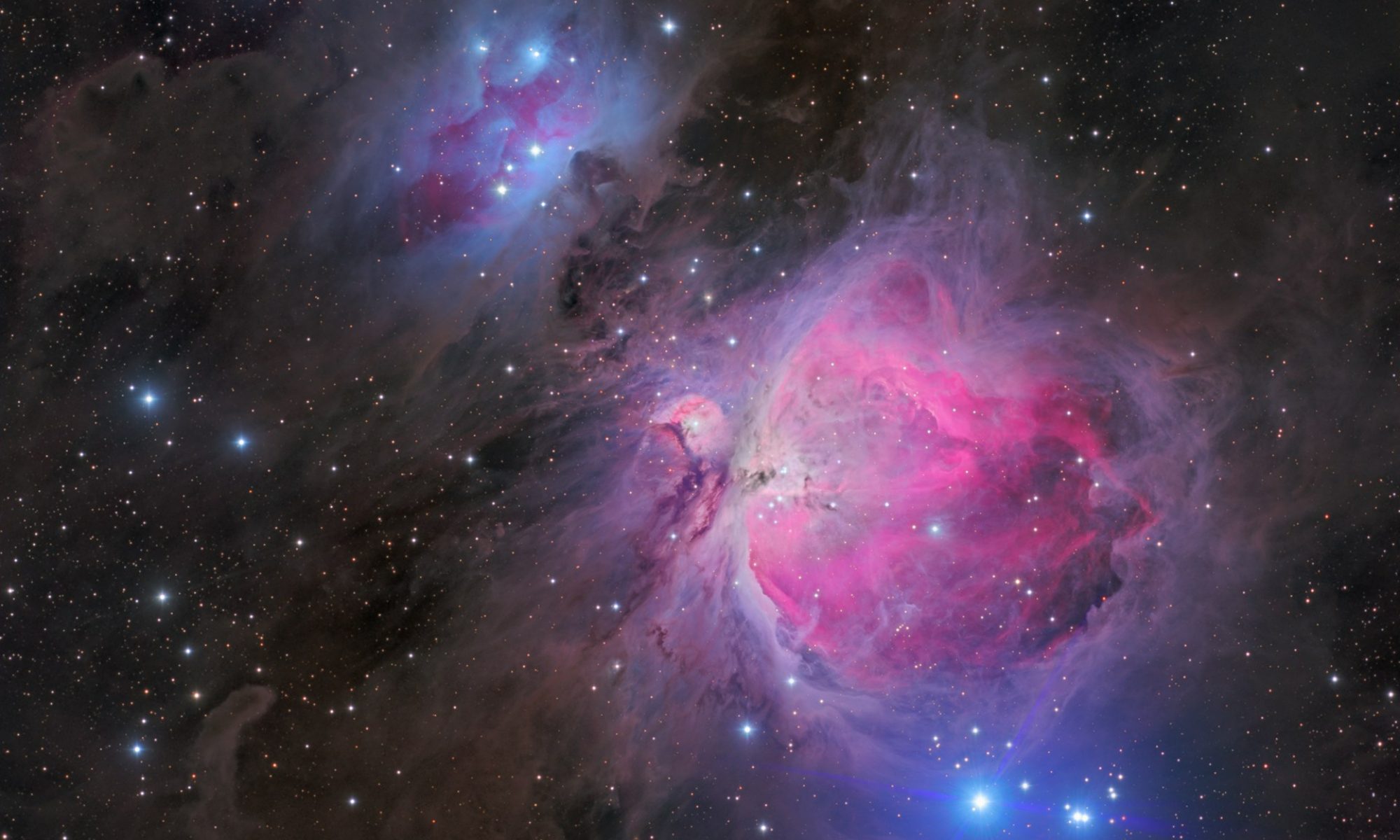
This is mainly a bug fix release for the reported bugs in beta47. In addition it has a significant User Interface performance improvement noticable when you need to process 1000s of images in APP.
2026-10-03 APP 2.0.0-beta47 has been released !
This is a very big release... many code optimizations/rewrites, many parts of APP are much faster and more precise, especially star analysis and registration are much faster ! Big mosaics will go much faster 🙂
And we introduce a new preview filter, which includes the new Adaptive Deep Sky Stretch and a General Levels Stretch, this has been long over due. The old preview filter (the panel on the right side to stretch and preview your data) has not been updated for a couple of years and it is a critical part of any APP session.
Adaptive Deep Sky Stretch or ADSS is a much more intuitive stretch algorithm. It is also color preserving (which is a great new addition in itself ! ) which means that the highlights are no longer bleached, color is maintained from the linear data while stretching. You can simply stretch your data using the sky background level and signal width sliders which work much easier and more intuitive. You no longer need to fiddle with the old complicated sliders with zoom buttons. All the zoom buttons for the sliders are made redundant. And you can enter slider values in the slider value fields yourself. I will make a youtube video in the coming days to explain and fully introduce ADSS. Once the video is ready, it will be highlighted on the forum.
RGB Combine upgrade !. The RGB Combine Tool has been rewritten mostly. The tool is faster and easier to use and most importantly, the Luminance slider to inject a luminance channel or channels into the RGB composite is now working correctly. It no longer bleaches the RGB colors. Combined with the new ADSS preview, you will get much better and easier great composites with great color! I will also explain this in a new youtube video.
This astrophotograph showcases the California Nebula (NGC 1499), a prominent emission nebula located approximately 1,000 light-years away in the constellation Perseus. Its distinctive shape, reminiscent of the state of California, is the source of its name. This image is the result of a 2-panel mosaic, a project that began in 2023 and involved over 50 hours of exposure time.
Captured using SHO (Hubble Palette) narrowband processing, the vibrant colours represent emissions from hydrogen-alpha, oxygen-III, and sulfur-II gases. The intricate structure of the nebula, sculpted by stellar winds and ultraviolet radiation, is illuminated by nearby stars, particularly Xi Persei, a massive star that powers much of the nebula's glow.
This long-term project required careful planning and patience, with the unpredictable UK weather adding to the challenge of collecting the necessary data. The resulting image highlights the beauty and complexity of this cosmic region.
Equipment Used: Imaging Telescope: Sharpstar Optics 20032PNT Imaging Camera: ZWO Astrophotography ASI6200MM Pro Mount: Sky-Watcher EQ8 Filters: Chroma H-alpha 3nm Bandpass 50 mm · Chroma OIII 3nm Bandpass 50 mm · Chroma SII 3nm Bandpass 50 mm Accessories: Primalucelab EAGLE5PRO · Primalucelab ECCO 2 · Primalucelab SESTO SENSO 2 · ZWO EFW 7 x 2″
Software used: Aries Productions Astro Pixel Processor Users Group (APP) · Main Sequence Software Sequence Generator Pro (SGP) · Pleiades Astrophoto PixInsight
Image Details:
Acquisition Dates: 1 Dec 2023, 9 - 10 Dec 2023, 15 - 16 Dec 2023, 19 - 20 Dec 2023, 29 Dec 2023, 9 - 10 Jan 2024, 15 Jan 2024, 18 - 19 Jan 2024, 26 Jan 2024, 11 - 12 Feb 2024, 11 Oct 2024, 10 Nov 2024, 12 Nov 2024, 20 Nov 2024, 22 - 23 Nov 2024, 5 - 6 Dec 2024, 19 - 23 Dec 2024, 2 - 3 Jan 2025, 7 Jan 2025, 9 Jan 2025, 19 - 20 Jan 2025